
The Role of Aluminum in Electronic Devices: Powering Devices with Lightweight Innovation
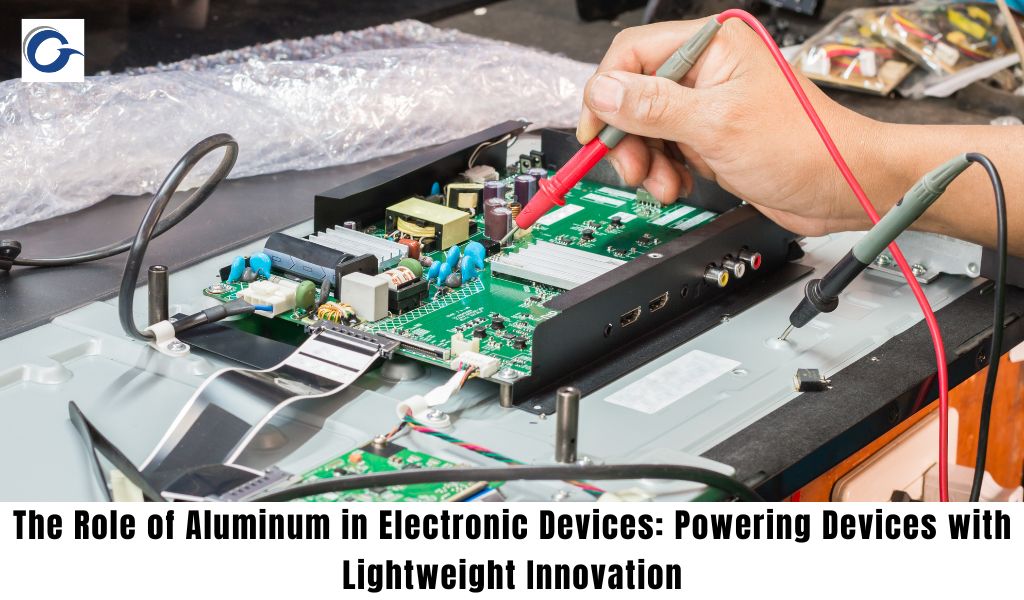
As such, the demand for better materials in the tech environment is vital in the search for efficient and relevant materials to drive the next-generation devices. Aluminium Extrusion has turned out to be a complex production technique in creating electronic gadgets and other related products in that they are lightweight, very strong, and good conductors of electricity. In this blog here we will look at how aluminum fits into electronics differently than what you may think and how such materials can enhance electronics and create portable sustainable manufacturing solutions. Why Aluminium? Key Characteristics and Benefits The versatility of aluminum makes it a perfect match for solving electronic item challenges in efficiency, durability, and cost. Lightweight and Durable Aluminum is relatively lighter than steel and other metals and thus gives the devices carrying the Aluminium some measure of portability. This makes it possible to protect the electronic components from getting damaged without loading additional burdens. Excellent Conductivity Aluminium maximizes conductivity in both electric current and heat an important feature for products that require constant high performances and do not want to overheat. Corrosion Resistance Through the corrosion properties, aluminum can extend the durability of various devices that are used in different circumstances. Cost-Effective and Recyclable Perhaps, one of the biggest strengths of this material is its cost, aluminum is quite cheap. Aluminum extrusion is highly recyclable thus providing an environmentally friendly answer to the electronic manufacturing sector. Our industry, Gloria Aluminium prioritizes using sustainable practices in our Aluminium Extrusion process. Applications of Aluminium in Electronic Devices One of the main trends is the increased utilization of Aluminium for various applications within the electronic industry making them functional and long-lasting. Heat Sinks and Cooling Systems One of the main applications of aluminum is in heat dissipation and heat exchangers, due to the metal’s high thermal conductivity, heat sinks are essentially mandatory for modern computers, LED lighting, and smartphones. Aluminum provides devices with efficient cooling to prevent overheating and guarantees that the electronic apparatus works fine. Frames and Casting Owing to its Lightweight, and high strength, aluminum is widely used for frame and casing in electronic gadgets such as laptops, tablets, smartwatches, and so on. This minimizes the overall weight while still keeping the durability of the devices at optimal levels through the use of aluminum extrusion. Aluminum in Capacitors Aluminum electrolytic capacitors, often manufactured through Aluminum Extrusion Suppliers, play an essential role in power supplies and other electronic circuits, ensuring stable device operation by managing voltage fluctuations. Electric Wires and Connectors Given its conductivity, aluminum is also used in wiring and connectors within devices. The metal’s ability to carry electrical currents efficiently means it’s a preferred choice for components that require consistent power. Advancements in Aluminium Technology for Electronics The world of Aluminium Extrusion has witnessed notable advancements, especially for applications in the technology industry. Recent advances in technology and aluminum manufacturing are opening new frontiers in electronics design. Nanotechnology and Aluminium Alloys By incorporating nanotechnology and developing new aluminum alloys, manufacturers like Gloria Aluminium can enhance the strength conductivity, and heat resistance of aluminum. These advancements allow better performance of micro components without affecting the size or strength of the devices. Aluminium and Miniaturization The essential metal that has contributed significantly to the miniaturization process, is aluminum. The six algorithms of Aluminium Extrusion allow manufacturers to create small and strong parts that contribute to more efficient devices and designs that leave room for even further advancement in technology. Eco-friendly Innovations The subject of sustainability is evolving in electronics. When Aluminum Extrusion Manufacturers use recycled aluminum and reduce their solid wastes as their production inputs and outputs respectively, electronics assembly is becoming environmentally friendly. Apart from global business challenges, our industry is following the policies of green production to minimize the negative impact on the environment. The Future of Aluminium in Electronics Looking forward, aluminum’s role in electronics is only set to grow. Its lightweight, durable, and eco-friendly attributes align perfectly with the demands of modern electronic devices and systems. Expanding Use in Consumer Electronics The use of aluminum benefits in terms of durability and weight is also another factor that could make aluminum form part of even more consumer electronics. With the rise in demand for portable devices, Aluminum Extrusion Suppliers are gearing up to meet these needs with high-quality materials. Role in Renewable Energy Devices Aluminum is also showing potential in the form of renewable energy gadgets like solar panels and energy storage batteries. Thus, cost-effectiveness and longevity enhance cost-effective, efficient, and sustainable energy products as central to the development of green energy solutions. Aluminium in Electric Vehicles In automobiles particularly the electrical ones, one major factor that ensures higher battery capacity and mileage is that the weight is kept to the barest minimum. Due to its low density aluminum is widely used in the EV industry for battery casing frames and heat management systems. As EV demand grows, Aluminum Extrusion Manufacturers in our industry will play a pivotal role in supporting this industry’s growth. Conclusion Aluminum’s involvement in the electronics industry is immeasurable and is expanding at quite a high rate. From increasing the heat management in devices to playing its part in the shift to going green in production, aluminum is an intrinsic element in electronics technology. As aluminum extrusion manufacturers, we at Gloria Aluminium are proud to contribute to advancements in technology and sustainability, providing quality aluminum solutions for a range of electronic applications. Are you ready to make that aluminum connection in the next project you have in mind? Come to us at Gloria Aluminium to speak with our team to guide you on the right aluminum solutions for your devices. Please do contact us now and find out how we can assist with your requirements and help advance your projects with effective and modern aluminum products. Frequently Asked Questions Why Aluminum is used for manufacturing electronic devices? Ans – Aluminum is lighter in weight, strong and stiff in terms of weight, resistant to adverse
Sustainable Manufacturing: The Role of Aluminum Extrusion
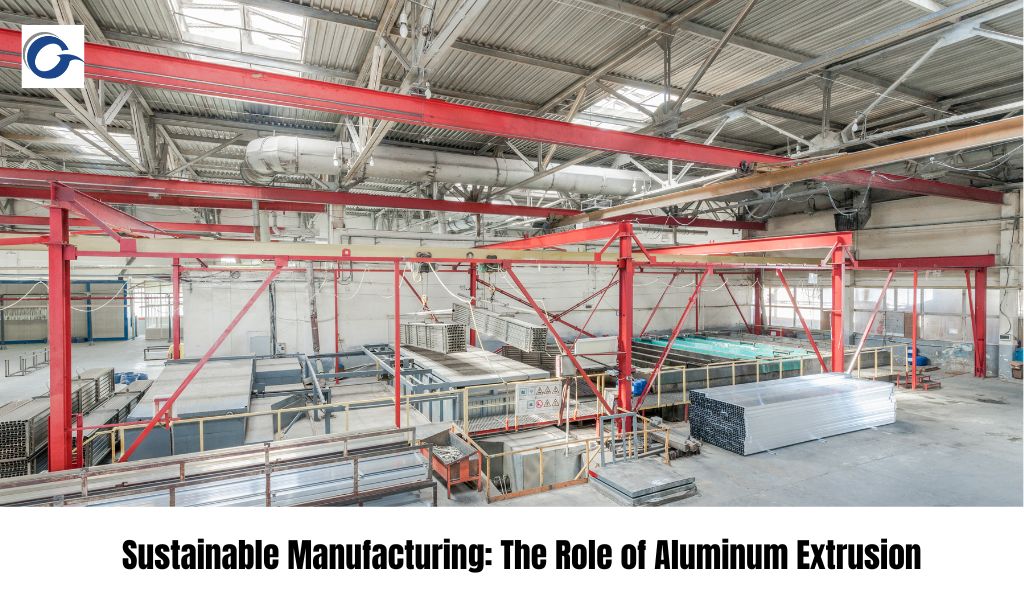
Eco-efficiency or sustainable manufacturing is gradually turning out to be a key strategic outcome of worldwide investment of industries in an attempt to reduce the dismal effects they have on the environment and at the same time improve their processes of production. Among these leading processes, there has been Aluminum Extrusion on the front line in the championing of this goal. This technique can allow manufacturers to form light, strong parts using much less power and giving out much less carbon than what would be possible through other techniques. In this blog, the author will talk about the importance of aluminum extrusion as part of sustainable manufacturing. What is Aluminium Extrusion? One of the key techniques used in aluminum work involves the use of a dye to force the aluminum into a certain shape. That is why the obtained profile has low weight and high wear resistance, which can be used in the car industry, aircraft industry, construction, and other industries and spheres. It organizes the aluminum shape and utilizes the material’s specific qualities, for example, strength and/or corrosion opposition while at the same time ensuring that new, intricate forms are created that are also reusable in their geometry. Some of the most compelling reasons why aluminum extrusion is preferred in sustainable manufacturing include: Lightweight: Saves energy required in transportation and coming together to assemble. Corrosion Resistance: There is a longer useful life for parts that results in a decreased rate of use of materials. Recyclability: Aluminum for instance can be recycled and used severally without the need to outdo the original quality of aluminum. Aluminum Extrusions is quite flexible with sustainable fabrication solutions because it cuts across others that harm the environment in several areas of manufacturing. Why Aluminium is Crucial for Sustainable Manufacturing? There is also a feature related to sustainability which makes aluminum a great material for companies focused on environmental safety. Here’s how aluminum extrusion supports sustainable manufacturing: Low weight and Energy Conservation: The fact that aluminum is a light material can point to a significant factor of energy saving especially in automobile and aircraft manufacturing. Lighter materials decrease fuel requirements, thus cutting down on the emissions that vehicles produce. In the long run, the utilization of aluminum extrusion leads to the development of efficient vehicles/products that consume less fuel hence; the general effects recorded on the environment are minimized. Extended Product Lifespan: This explains why Aluminum, corrosion being its primary characteristic of common products made with it; lasts longer, thus calling for fewer replacements more often. For example, Gloria Aluminium is known for producing high-quality extruded aluminum products that remain durable even in harsh conditions. This results in reduced wastage over the longer term, thus, aluminum’s use in construction where endurance is valuable. High Recyclability: Among all the physical properties of aluminum, one of the most attractive qualities is the characteristic of being recyclable multiple times. It makes it a principle of a circular economy, in which, resources are not new but are reduced and therefore recycled. Aluminum recycling, aluminum can be recycled at a lower percentage of energy as compared to the energy that is needed to use raw materials in producing aluminum. All aluminum extrusion industries have adopted the use of recycled aluminum which has had of great impact on conserving energy and the environment. Energy Efficiency in the Aluminum Extrusion Process The aluminum extrusion process is very energy efficient in practice, provided the comparison with other metal shaping processes such as casting or forging. The process of making flasks with a parison is less energy consuming hence less energy wastage, the wastage produced is minimal hence less pollution. Further, an increase in high-tech extrusion systems enhanced accuracy lowered energy use, and minimized wastage. Economical approaches play a major role in enhancing efficiency in aluminum extrusion industries. Leading aluminum extrusion companies continue to innovate, incorporating renewable energy sources and refining their processes to ensure that their operations are as green as possible. Recycling and Circular Economy: The Key to Sustainability Recyclability makes a significant contribution to aluminum as a sustainable material of production. This is a favored material to use in modern society because it is one of the few that can be recycled endlessly and still maintain excellent quality. This property makes it ideally suited to industries seeking to minimize resource and energy consumption. Aluminum extrusion manufacturers are already reducing the demand for newly mined aluminum which is mined and refined through energy-consuming methods. The soil requirement also directly gives credit for the energy-conserving, CO2-reducing, and waste-shunning use of recycled materials. Reducing Carbon Footprint with Aluminium Extrusion The use of aluminum extrusions in industries reduces carbon emissions by a very large margin. For example, in the automotive industry working with aluminum causes lightness of cars which in turn leads to less fuel consumption. This means there is emission reduction right from the design of the vehicle up to the time the car reaches its disposal. Likewise, such application reveals that in construction, aluminum does not require frequent replacement, maintenance, or repairs, thus cutting on the environmental effects realized in the long run. We have been a traditional supplier of extruded aluminum solutions for industries seeking for a low-carbon option. This ensures other sectors achieve their sustainability efforts in the market while enjoying the integrity of the product through high-quality lightweight aluminum products production. The Role of Manufacturers in Sustainable Practices The involvement of aluminum extrusion manufacturers in the provision of sustainable products cannot be overemphasized. Today, firms such as Gloria Aluminium are proving pioneers and trailblazers by implementing eco-friendly solutions and improving energy management and recycled content usage. These manufacturers are also driving the industry to use other sources of energy such as renewable energy hence lowering the carbon footprint in the production process. Industries can also choose manufacturers that protect the environment so that their supply chain corresponds to their goals. Future of Aluminum Extrusion in Sustainable Manufacturing Aluminum extrusion is expected to have a sustainable future in manufacturing green
Aluminum Formwork: A Key Application of Aluminum Extrusion

As to the construction industry, it has been without a doubt that during our generation, there have been trends and concepts that were introduced only to be discarded later. However, on average there appears a product that alters the system and brings a great change in the market. One of them, little discussed but revolutionary, is the use of aluminum formwork. So, what makes the difference? Aluminum extrusion—a process that we at Gloria Aluminium have mastered to perfection. Traditionally applied as a material working technique in our capacity as lead producers of aluminum, this technique has been applied to provide functional as well as strategically significant aluminum extrusion profiles in the structural development industry. What is Aluminum Formwork? Let us premise it with an illustration of the construction of a house. In the past, people used wooden molds to form concrete into the required shape; however, wood is heavy and large and does not have longevity. Now image uses very light but strong and reusable aluminum casting structures instead—This is aluminum formwork. It is again a form needed for approximately 30 minutes for the cement to harden and it is the new face changer in construction. The Role of Aluminum Extrusion in Formwork Aluminum extrusion is said to be a procedure of pressing aluminum alloy through the usage of a die. In Gloria Aluminium, we use raw aluminum where we form the aluminum through a die to the required exact shape and design. It is with them that we forge the aluminum extrusion profiles that we will use to construct the formwork. The result? High-strength, low weight, and unprecedented precision and fit of parts that can be fabricated specifically for building use. Advantages of Aluminum Formwork Durability and Strength All of us know how and what happens with ordinary materials that wear out after these seemingly ‘several’ uses. But with aluminum formwork, all such problems are things of the past. Due to the high quality of aluminum extrusion that we offer, such systems are created to withstand multiple concrete pours and are not intimidated by such action in the slightest. Lightweight and Easy to Handle Have you ever attempted to lift a large wooden beam commonly used in construction work? It’s no easy task. Now consider the possibility of raising something as powerful as steel, but is as light as a feather. This is why aluminum formwork is so great – it is easy to maneuver because it is very light, but it is sturdy enough to work. Our aluminum extrusion profiles are particularly accurate and, as a result, the joining process is mere child’s play. Cost-Effective Sure, aluminum formwork might have a higher upfront cost than traditional materials, but here’s the kicker: It is said that the cost is recovered over time in this sort. This makes it reusable in different projects and hence cost-effective since you will use it over and over. Not only that, this helps to reduce the labor costs and time taken in comparison to outsourcing, and that suits us just fine. Sustainability It is now important that everyone plays an individual part in an attempt to be environmentally conscious. Aluminum is the perfect material for such a role — it is fully recyclable, after all. It is for this reason that, at Gloria Aluminium, we have taken a lot of care to make the processes used in aluminum formworks as environmentally friendly as possible, and therefore completely appropriate to the modern construction industry. Applications of Aluminum Formwork High-Rise Buildings In cities, the process of building is vertical rather than horizontal. And especially for high-rising constructions, aluminum formwork is ideal. Its tensile and compressive strengths are high yet it is very portable and can be mobilized for erection at ultra-high altitudes. Residential Complexes I am sure we have all at one time or another been shocked at the speed at which new housing developments are constructed. That magic is encapsulated by aluminum formwork. Through proper aluminum extrusion profiles, we are in a position to guarantee homogeneity and smooth surfaces on the walls and ceilings thereby reducing the work of honing and polishing and at the same time reconstructing walls and ceilings at a faster rate. Infrastructure Projects It is associated with bridges, tunnels, and any other large civil construction. These projects require strong materials, as well as flexibility. Aluminum formwork with a system of changeable aluminum extrusion profiles is suitable to meet the requirements and be suitable for complex construct types. Aluminum Extrusion Profiles: The Support Structure of Formwork Systems To be quite frank, it is quite apparent that without superior aluminum extrusion profiles, the value of aluminum formwork cannot be as unique. Well, that is where we come in. Through the process of extrusion, we have developed stable profiles, that and highly resistant to breakdown or deformation, and are designed specifically for a particular purpose. These profiles are at the very core of the formwork systems we use and guarantee the execution’s success each time. Customization of Aluminum Extrusion Profiles It is important to understand that construction is not one size fits all and you cannot do it in the same way you will do the other. Each project is different being special in its strengths and weaknesses as well as in the conditions it poses for success. This is why at Gloria we always provide the opportunity for our aluminum extrusion profiles to be custom-made. Whether you are constructing a skyscraper, a subway, or any other structure, we can design profiles, that perfectly suit your construction, and, therefore, our formwork is optimized to be as efficient as it can be. The Future of Aluminum Formwork As we look at the future, it is evident that aluminum formwork is already set to remain a permanent part of construction processes. Aluminum formwork has the potential to play a more important role as construction plans get bigger and people are looking forward to sustainable construction. We are dedicated to not only maintaining a leadership position
Exploring the Benefits of Custom Aluminum Extrusions
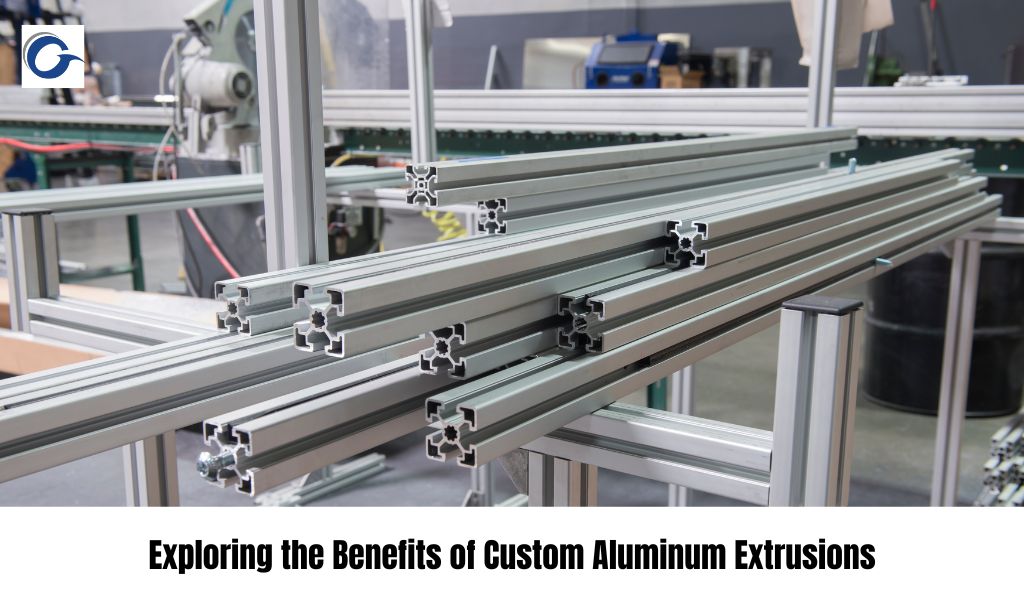
It has found its use in various industries due to its excellent characteristics such as its ability to prevent corrosion, it has low density, and high strength. Due to this, custom aluminum extrusions have become popular as they create the ability to deliver more specific outcomes that cannot be created by normal extrusions. What Are Custom Aluminum Extrusions? Custom Aluminum Extrusions refer to a set of profiles that are unique and are developed based on the demand of a particular project. While the typical extrusions are made based on selected forms, custom extrusions provide the ability to create special profiles that will be suitable for a particular application. This is essential in sectors that demand accuracy and creativity in their products. Key Benefits of Custom Aluminum Extrusions Versatility in Design Specific aluminum extrusions offer more flexibility in terms of design since they can accommodate such things as curves, angles, and other geometrical forms that are difficult to achieve with other extrusion methods. This simplicity makes it possible to guarantee that any project implemented receives an efficient solution meeting its functional needs while at the same time being visually appealing. Efficiency in Production These companies eventually cut manufacturing costs by using custom extrusions in their business operations. This way a single process cuts and shapes the material with high precision resulting in the elimination of subsequent processes and cutting down costs. Cost-Effectiveness It is usually found that when custom extrusions are used, the cost will be considerably lower as compared to other options. These extrusions have very thin dimensions that allow for less material use and little or no need for secondary operations, hence, it is ideal for commercial applications. Material Strength and Durability Aluminum has a high strength-to-weight ratio, and the application of custom extrusions provides a way of improving the material distribution. This results in components that do not only offer strength but also endurance hence not easily degraded by environmental factors or often usage. The Process of Custom Aluminum Extrusion Initial Design and Prototyping The design stage involves using CAD software to establish the specific product extrusion profile out of the available cross-sectional profiles. Prototyping could then be conducted to ascertain that the needed form and function of the product would be met in the subsequent large-scale production. Extrusion and Fabrication After the design has been prepared it is placed in a die where the aluminium is heated before being pressed into the required shape. This is followed by fabrication or operation in which other requirements such as holes, notches, and surface modifications are inserted. Finishing and Quality Control As stated earlier, after extrusion and fabrication, the profiles are subjected to the finishing stage such as anodizing or powder coating to make them aesthetically appealing and corrosion-resistant. Quality control check is very keen to ensure that whatever comes out has met all the qualified standards. Why Choose Custom Over Standard Extrusions? Tailored Solutions for Specific Needs Welded extrusions offer options that are different from the original forms by the fact that they have provisions made according to the needs of a project. This level of customization is especially relevant in such sectors as the aerospace and automotive industries in which the choice is subjected to strict accuracy. Enhanced Performance and Longevity In most cases, custom extrusions result in improved performance and prolonged service of the end products. Such extrusions can afford to be designed for particular uses and therefore can bear much stress and perform optimally more once designed. Reduced Waste and Environmental Impact Custom extrusions mean that there will be little to no wastage of materials which is also beneficial to the company. Moreover, aluminum is very much reusable, and therefore, the impact is also minimal as it is recyclable. Applications of Custom Aluminum Extrusions Aerospace Industry Custom aluminum extrusions application in the aerospace industries is since the components developed from aluminum are light and strong and are very crucial in the construction of aeroplane. These extrusions also contribute to decreasing the overall weight of the airplanes resulting in enhanced utilization of fuel. Automotive Sector The automotive application utilizes custom extrusions in creating structural parts and in body and frame structural parts, energy-absorbing units, and trims. The possibilities to create rather elaborate shapes guarantee that these components combine both, performance and appearance characteristics. Construction and Architecture In the construction industry, custom extrusions find applications in window frames, curtain wall, and other structure members. Flexibility is very possible in design and, therefore, architects are in a position to implement most of their ideas to the highest level of detail and in ways that would enable them to withstand many years of use. Electronics and Consumer Goods In the electronics industry, the application of custom aluminum extrusions is seen in heat sinks, enclosures, and other products with specified thermal conductivity characteristics. The capability to accomplish complex geometries translates into the best performance in small products. Technological Innovations in Aluminum Extrusion Advances in Extrusion Machinery The aluminum extrusion process is today enhanced by advanced technology in extrusion machinery to produce complex profiles. These machines can be more versatile as they allow more intricate structure design, similar parts can be produced more quickly and the structure shapes can be rather complicated. Integration of CAD and Simulation Software In the design phase, computer-aided designing and simulation software are important since they enable the engineering personnel to implement changes that can be useful in the actual product development before using a lot of resources. Such integration results in better and faster extrusion activities in the company. Improved Material Alloys There are improvements in the aluminum alloy that provide better properties on custom extrusions at present. It is with these new alloying elements that new alloys provide improved strength, corrosion, and thermal characteristics which makes them suitable for high-performance applications. Why Work with a Specialized Aluminum Extrusion Company? Expertise and Experience A specialized aluminum extrusion company such as Gloria Aluminium has years of experience doing the special business. This relieves one of
The Future of the Aluminum Extrusion Industry: Trends and Growth
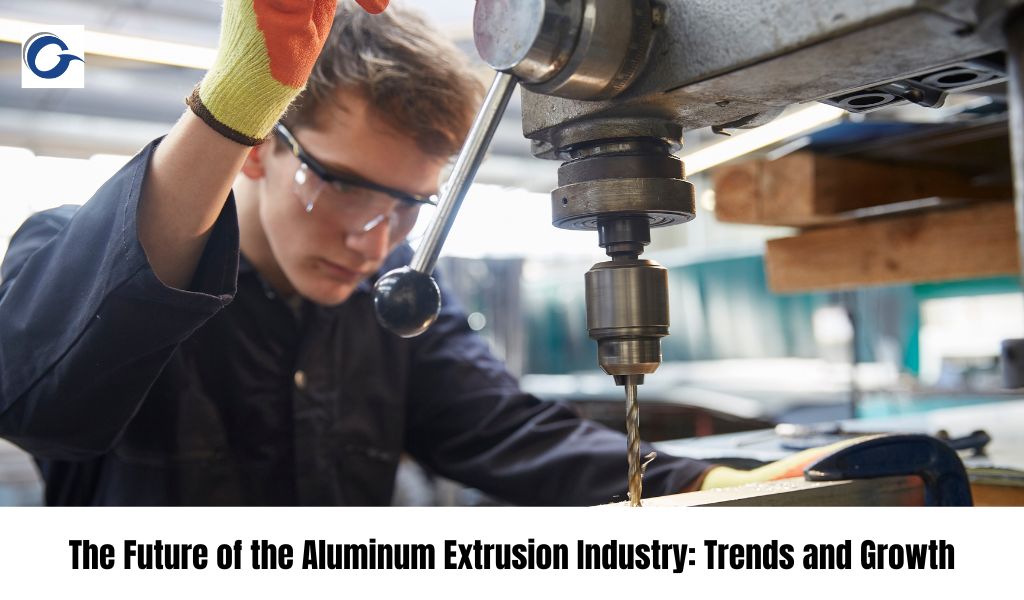
Aluminum extrusion is a method for converting aluminum alloy into objects with definitive cross-sectional aluminum extrusion profiles made by aluminum extrusion manufacturers, encompassing various usages. The extrusion procedure utilizes aluminum’s innovative combination of physical characteristics. Its malleability enables it to be easily machined and cast, aluminum is one-third the density and stiffness of steel, with the resultant products marked by strength, stability, and endurance when alloyed with other metals. The global aluminum extruded products made by Aluminum Extrusion Manufacturers were estimated at USD 86870 million in 2k22, and are expected to reach a whopping USD 128640 million by 2029, witnessing a CAGR of 5.7Percent during the forecast tenure 2023-2029. Global Aluminum Extruded Products/Profiles Key Players in Market Analysis/Trends via SWOT & PESTLE: Sapa AS Alcoa Constellium Hindalco Industries Kaiser Aluminum ALUPCO Gulf Extrusions TALCO Aluminum of Corporation of China China Zhongwang China has the largest market share, at about 60%, followed by Europe and North America, which have a combined 30% share. In terms of Aluminum Extrusion Profiles/Products, Mill-finished is the largest segment, enjoying a share of about 60%. The aluminum extruded products market is witnessing substantial growth internationally and nationally. The Aluminum Extrusion Manufacturers in India have shown remarkable growth and improvement in the past few years. This spectacular growth reflects the industry’s adaptability to digitization, sustainability endeavors, and geopolitical, accentuated by exploring new segments, regions, or product categorization to capitalize on the rising emergence of opportunities and diversified offerings. Aluminum Extruded Products Market Dynamics- Aluminum Extrusion Manufacturers in India, mainly Aluminum Extrusion Manufacturers in Pune, India, or any other region, as well as in the global domain, ideally encompasses: Technological Advancements culminate in improved product services & procedures, paving the way for competitiveness & industry growth. Changing Consumer Preferences like demand for sustainable products/digital solutions, notably impacting industry dynamics & market trends. Regulatory/Advisory Environment involving safety, environmental protection, or trade policies, shaping up industry practices and market tactics/strategies. Market Competition, including new players’ entrance, mergers and acquisitions, and strategic alliances, drive and motivate innovation, efficacy, and market differentiation. Global economic conditions and scenarios, such as GDP growth, inflation rates, and currency fluctuations, influence market demand, investment decisions, and overall industry performance. Supply Chain Management, constituting sourcing, production, logistics, and distribution, impacts costs/expenses, product availability & accessibility, and customer satisfaction. Technological Disruptions rapidly alter industrial landscapes, creating new opportunities, challenges, & competitive threats. Sustainability Actions/Initiatives affect product design, production procedures, & market positioning. Market Trends like digitization, automation, artificial intelligence (AI), the Internet of Things (IoT), and data analytics are constantly reshaping industries, driving efficiency, effectiveness, innovation, and new and unique business models. Consumer Behavior Shifts like research & surveys, purchases, & interaction with products involving online shopping preferences, personalized experiences, and social responsibility affect industry strategies and offerings. Globalization, such as global market interconnectedness, trade agreements, and international partnerships, has a great impact on industry competitiveness, market access, and supply chain strategies. Risk Management Strategies such as cybersecurity measures, crisis preparedness, and regulatory compliance mitigate uncertainties and unforeseen circumstances ensuring industry resilience. Factors Driving the Substantial Growth of Aluminum Profiles/Products Market/Industry: Construction Automotive Electrical & Electronics Machinery Equipment Others Aluminum Extruded Products Types Available in the Market (2024): Mill-finished Powder-coated Anodized Regional Segmentation of Aluminum Extrusion Industry/Aluminum Extrusion Products by Aluminum Extrusion Manufacturers: North America-United States, Canada, & Mexico Europe-Germany, UK, France, Italy, Russia, Turkey, etc. Asia-Pacific-India, China, Japan, Korea, Australia, Indonesia, Thailand, Philippines, Vietnam & Malaysia South America-Brazil, Argentina, Columbia, etc. Middle East & Africa-Saudi Arabia, UAE, Egypt, Nigeria & South Africa Main Highlights of Aluminum Industry Market Research Report: Market size & growth evaluation of Aluminum Extrusion Profiles/Products Market Trends Impacting Demand for Aluminum-Extruded Product Services Cost & profit assessment, comprising estimations & cost-effective or cost-saving opportunities Market share distribution & competitive landscape amongst relevant industry players Strategic developments like mergers, tie-ups, or collaborations, alongside innovations Factors influencing pricing strategies & raw material sourcing Identification of scope and avenues for growth & challenges in the market Profiles of major/critical industry players, along with market strategies Evaluation of latest industry trends in revenue generation & market entry Recommendations for market entry strategies alongside optimal marketing channels Main Queries Addressed in Aluminum Extruded Products Market Report Analysis: Rising global trends shaping Aluminum Extruded Products Market impacting demand forecasts Estimations for product demand, pricing dynamics, profitability margins, market share distribution & competitive positioning Strategic developments expected in the Aluminum Extrusion Products Industry influencing market dynamics Technological advancements, regulatory alterations, and market competition impacting pricing strategies & raw material procurement procedures Primary opportunities and challenges encountered by businesses operating in Aluminum Extruded Products industry Insights into the market value of Aluminum Extruded Products and services & key players dominating it Recent trends in revenue generation strategies & their implications on industry growth Recommended entry strategies & optimal marketing channels/networks for the aluminum extrusion industry globally. Nevertheless, India is still catching up, scoring high on aluminum extrusion products made by Aluminum Extrusion Manufacturers in India, specifically Aluminum Extrusion Manufacturers in Pune. Detailed Analysis of Global Aluminum Extruded Products Market Research Report (2024-2032): Market Overview Product Definition & Market Characteristics Global Aluminum Extruded Products Market Size Market Segmentation Regulatory & Advisory Environment Industry Chain Analysis Aluminum Extruded Products Raw Materials Analysis Introduction to Main Raw Materials Main Suppliers of Raw Materials Business Mode & Production Procedure Business Mode Analysis Production Process Analysis/Evaluation Manufacturing Cost/Expense Structure Raw Material Cost Labor Cost Market Chain Analysis Major Downstream Customers Analysis Alternative/Substitute Product Analysis Market Dynamics Market Drivers Constraints & Challenges Rising Market Trends PESTEL Analysis Consumer Insight Analysis Russia & Ukraine Wars Impact Market Competitive Analysis Global Revenue & Market Share by Aluminum Extrusion Manufacturers (2019-2024) Global Sales Volume & Market Share (2019-2024) Global Products Cost (2019-2024) Products Market Share by Aluminum Extrusion Company Type (Tier 1, 2 & 3) Global Key Manufacturers, Manufacturing Base Distribution & Headquarters Product Offered & Applications/Usages Market Concentration Rate Industry News Key Product Launch News Mergers &
Step-By-Step Process of Aluminum Extrusion
Aluminum extrusion profiles have widespread applications across industries like construction, electronics, lighting, healthcare, etc. They are gaining popularity for their endurance, strength, and lightweight nature. However, have you ever wondered about the process of aluminum extrusion? Yes. Aluminum extrusion results from an organized step-by-step process. As one of the leading aluminum extrusion manufacturers in India, Gloria overviews the process in this blog. What is Aluminum Extrusion? It involves forcing aluminum alloy material into a die with a predetermined cross-sectional shape. Aluminum has a specific ram that pushes it through the die and exits from the die aperture. Accordingly, aluminum emerges in the form of the die and gets hauled off along a runout table during the process. However, what exactly happens during the extrusion process? Let’s see. Aluminum Extrusion Process Extruding aluminum through an aluminum extrusion company involves the following ten steps to achieve a reliable outcome. Preparing the Extrusion Die Creating a round-shaped die is the first step. Preheat the die to about 400-500 degrees Celsius to ensure even metal flow and maximize the die’s life. After preheating, you can load the die into the extrusion press. Preheating the Aluminum Billet The billet is a thick cylindrical block of aluminum alloy. You must cut it from an elongated material log. After that, preheat it in an oven to 400-500 degrees Celsius. It increases the billet’s malleability to perform the process and helps ensure it isn’t molten. Moving the Billet to the Extrusion Press After the above, transfer the billet into the press mechanically. But you must add a lubricant before you load it into the press. You must also apply the release agent to the extrusion ram to prevent the ram and billet from sticking. Pushing the Billet Material into the Press Container By now, the malleable billet will be in the extrusion press. At this stage, the hydraulic ram applies a pressure of approximately 15,000 tons that pushes the malleable billet into the container. Later, the aluminum materials expand to the walls of the press container. Pressing Up the Extruded Thing Against the Die Once the billet fills the container walls, it presses against the extrusion die. At this stage, continuous pressure is applied to the material. Hence, the only direction it has is towards the die openings, from which, it comes out fully formed. Quenching the Extrusion After emerging, the puller holds the extrusion and protects it as it comes out from the press. While the alloy moves along the table, the profile cools uniformly. Shearing the Extrusion Once the extrusion achieves full table length, it is sheared with a hot saw. Cooling the Extrusion After shearing, the extrusions are moved to a cooling plain from the runout table. They stay there until they reach room temperature. After that, they stretch. Moving the Extrusion to the Stretcher During this stage, you will observe some shape twists. To correct them, you will need a stretcher. While doing that, you must hold each profile mechanically on both ends and pull them until fully straight. Shifting Extrusions to the Finish Saw Once straight and hardened, you can transfer the extrusion to a saw table and cut them to specific lengths. After you do that, you can shift them to an oven for aging to the appropriate temper – T5 or T6. Upon completing the above steps, you can conduct secondary operations like heat treatment, fabrication, and surface finishing. Procure High-Quality Extruded Aluminum with Gloria – Reliable Aluminum Extrusion Suppliers We hope the above helped you get a basic overview of the aluminum extrusion process. Choose us if you are looking for superior aluminum extrusions for your application. Our reputation, track record, and commitment to excellence make us one of the best aluminum extrusion manufacturers in Pune. Call us at +91 98508 21784 to explore more about our solutions.
Exploring the Diverse Applications of Aluminum Extrusion Profiles
Aluminum is one of the world’s most preferred materials with applications in different forms across various domains. Aluminum extrusion profiles are one of the forms in which the industrial world uses aluminum extensively. Extrusions of aluminum are robust, corrosion-resistant, and lightweight. Also, they offer high thermal and electrical conductivity. No wonder the global aluminum extrusion profile market size was valued at nearly USD 84 billion last year! However, when we talk of applications, where does the industrial world use aluminum extrusion profiles? As one of the most trusted aluminum extrusion manufacturers in India, Gloria explores some of its diverse applications. From various consumer products to construction, aluminum extrusion profiles have numerous applications. Let’s look at seven of them. Consumer Products Manufacturers of consumer products use extruded aluminum widely for its distinct properties and because it helps them control production costs. Accordingly, some consumer products that use aluminum profiles include beverage cans, furniture parts and pieces, cookware, camping chairs, flat-screen TVs, laptops, robot fencing, photo frames, and AC grills. Automobile and Transportation Aluminum is solid, enduring, and yet lightweight. Hence, most automakers focusing on reducing vehicle weight and increasing efficiency use aluminum. They leverage the high strength and low weight of aluminum extrusions in components of buses, off-road vehicles, and utility trailers. Additionally, aluminum extrusions also contribute to durable transport with their corrosion-resistant nature. Aluminum extrusions also form part of modern mobility. EV manufacturers use them to make lightweight battery boxes to regulate battery temperature in EVs. Electricals and Electronics The use of aluminum extrusion profiles also extends to manufacturing busbars and various other related equipment. Thanks to aluminum’s conductivity! Aside from that, aluminum extrusions form part of modern LED fixtures to overcome thermal management challenges. Extrusions with fins are easy to mount and also serve as excellent radiators or heat exchangers. Another application of aluminum extrusion profiles within this context is solar panel support structures. Extruded aluminum provides the strength, corrosion resistance, and low mass that roof-mounted panels need. Thus, in a way, aluminum extrusion profiles also contribute to sustainability! Construction Construction and architecture constitute the largest customer segments of extruded aluminum. These sectors have multiple applications of aluminum extrusions given their strength, light weight, visual appeal, and various other technical properties. Some common uses include canopies, massive engineered skylights, fencing, roofing, hinges, screw points, heat sinks, scaffolding, balcony rails, curtain walls, and signage frames. Display Equipment Aluminum extrusions are also part of the display stands in various events and exhibitions. Again, attributes like strength and lightweight nature come into play. However, another reason for using extruded aluminum in display equipment is that one can design extruded sections to interlock the pieces. Overall, it helps simplify and accelerate the assembling process. Need Aluminum Extrusion Profiles? Choose Among the Industry’s Best! Partner with Gloria if you need premium extruded aluminum from a reliable aluminum extrusion company. At Gloria, we are passionate about what we do. Manufacturing aluminum extrusion profiles is one of our core expertise. Our unmatched product quality and incomparable market reputation make us one of the industry’s best aluminum extrusion suppliers. We serve a diverse clientele that applauds our superior product quality and prompt customer service. Call us at +91 9850821784 or email us at puneetgarg2089@gmail.com to explore more about product quality, cost, and support.
How Aluminium Extrusion is Made
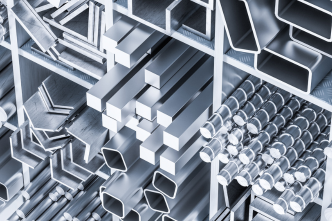
In a world where innovation meets precision, aluminium extrusion stands tall as a cornerstone of modern manufacturing. As aluminium extrusion manufacturers continue to revolutionize industries, the process behind this remarkable technique remains shrouded in curiosity. Today, we embark on a journey through the intricacies of aluminium extrusion, shedding light on its creation from start to finish. Understanding Aluminium Extrusion At the heart of every aluminium extrusion company lies a commitment to excellence, driven by the desire to transform raw materials into versatile, durable products. But what exactly is aluminium extrusion? Aluminium extrusion is a manufacturing process that shapes aluminium alloys into objects with a fixed cross-sectional profile. It involves forcing heated aluminium billets through a shaped die, resulting in the desired shape, be it a simple rod or a complex structural component. The Manufacturing Marvel: Step-by-Step Billet Heating: The process begins with carefully selected aluminium billets, heated to a precise temperature to optimize malleability without compromising structural integrity. This step ensures uniformity and consistency in the extrusion process. Extrusion: Once heated, the billets are pushed through a die using immense pressure, typically generated by a hydraulic press or ram. The die imparts the desired shape onto the aluminium, ranging from standard profiles to intricate designs tailored to specific applications. Cooling and Quenching: As the extruded aluminium emerges from the die, it undergoes rapid cooling and quenching to stabilize its molecular structure and enhance its mechanical properties. This phase is critical in ensuring the final product meets stringent quality standards. Aging and Finishing: Following quenching, the extrusions undergo a process known as aging, where they are subjected to controlled heat treatments to further enhance their strength and hardness. Finally, the extrusions are cut, machined, and finished according to customer specifications, ready to embark on their journey into various industries. Partnering with Excellence: Choosing the Right Aluminium Extrusion Company In the realm of aluminium extrusion, partnering with the right manufacturer is paramount. As you navigate the landscape of aluminium extrusion manufacturers, consider factors such as experience, expertise, and a commitment to quality. Companies like Gloria Aluminium exemplify these qualities, offering unparalleled craftsmanship and reliability in every extrusion. Embracing the Future: As we delve deeper into the world of aluminium extrusion, it becomes clear that its impact transcends industries, shaping the very foundation of modern manufacturing. Whether you’re in aerospace, automotive, construction, or electronics, aluminium extrusion holds the key to unlocking endless possibilities. Take the first step towards excellence today. Partner with a trusted aluminium extrusion company like Gloria Aluminium and experience the transformative power of precision engineering. Conclusion In the expansive realm of manufacturing, aluminium extrusion serves as a testament to human ingenuity and cutting-edge innovation. From its humble beginnings as heated billets to its emergence as precision-crafted extrusions, the journey of aluminium extrusion is a testament to the power of technology and expertise. As industries evolve and challenges arise, aluminium extrusion remains a steadfast companion, driving progress and shaping the world around us.
How to Make Aluminium Section
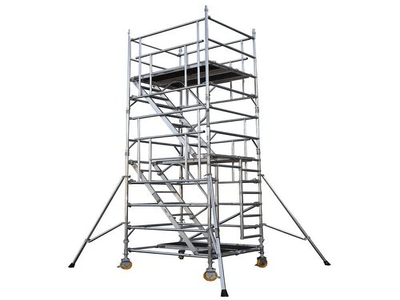
In the realm of modern engineering, aluminium sections have become indispensable components across various industries. As aluminium section manufacturers continue to innovate, the process of crafting these versatile products remains a topic of fascination. Today, we unravel the intricacies behind the creation of aluminium sections, offering insights into the meticulous craftsmanship that defines this art form. Understanding Aluminium Section Aluminium sections, also known as aluminium profiles, are intricately designed shapes cut from aluminium extrusions. These sections serve as the building blocks for a myriad of products, ranging from architectural frameworks to automotive components. But how exactly are these sections brought to life? The Manufacturing Journey: Step-by-Step Material Selection: The process begins with the careful selection of high-quality aluminium alloys, chosen for their specific properties and intended application. Aluminium manufacturers meticulously analyze factors such as strength, durability, and corrosion resistance to ensure optimal performance in the final product. Extrusion: Once the ideal aluminium alloy is selected, it undergoes the extrusion process. This involves heating the aluminium billets to a precise temperature and forcing them through a shaped die using hydraulic pressure. The result is a continuous length of aluminium with the desired cross-sectional profile, ready to be transformed into sections. Cutting and Machining: The extruded aluminium is then cut into manageable lengths and precision-machined to create the desired sections. This step requires meticulous attention to detail to ensure uniformity and accuracy in dimensions, critical for seamless integration into various applications. Surface Treatment: To enhance both aesthetics and functionality, aluminium sections often undergo surface treatments such as anodizing, powder coating, or painting. These treatments not only provide a decorative finish but also impart additional protection against corrosion and wear. Quality Assurance: Throughout the manufacturing process, stringent quality control measures are implemented to uphold the highest standards of excellence. Aluminium products manufacturers conduct thorough inspections and tests to verify structural integrity, dimensional accuracy, and surface finish, ensuring that each section meets or exceeds customer expectations. Partnering for Excellence: Choosing the Right Manufacturer In a competitive landscape, selecting the right aluminium section manufacturer is paramount. Look for companies like Gloria Aluminium, renowned for their expertise, reliability, and commitment to quality. With a track record of excellence, they are equipped to meet the diverse needs of industries worldwide. Embracing Innovation: As industries evolve and demand for innovative solutions grows, aluminium sections remain at the forefront of technological advancement. Whether you’re in construction, transportation, or electronics, harnessing the power of aluminium sections can unlock endless possibilities for your projects. Take the first step towards excellence today. Partner with a trusted aluminium products manufacturer like Gloria Aluminium and experience the transformative potential of precision-engineered sections. Conclusion In the realm of manufacturing, the creation of aluminium sections represents a harmonious blend of artistry, engineering, and innovation. From material selection to precision machining, each step in the manufacturing journey is a testament to human ingenuity and craftsmanship. As industries continue to evolve, aluminium sections stand ready to shape the future, driving progress and innovation across the globe.
Understanding the Basics: Aluminium Extrusion Profile Types
Aluminum extruded profiles are in essence the backbone of many of the technological advancements of modern days, conferring the streets with name tags like versatility, durablity and cost effectiveness. Specified in their shapes through the process of extrusion, profiles are an irreplaceable element in numerous industries, from building to manufacturing of concerns. The recognition of the complexity of the aluminium extrusion parts is crucial to the purpose of full application scope through the range of application. Aluminum Extrusion Profiles For Types: The aluminum extrusion profiles have wide circulation in industrial applications for their unique nature and wide-ranging functionalities. Standard Profiles: These commercial aluminium profiles are not only the most common type with the usual cross sections and dimensions, but also the most popular due to their exceptional adaptability. Projects of designers, engineers, and manufacturers use mostly available system for these purposes because of their affordability and accessibility. Installations such as installing window frames, doors, and structural cross-sections are all heavily reliant on these standard profiles. Custom Profiles: While ordinary aluminium extrusion profiles are unmatched in performance, precision-designed custom profiles with special features are the alternative to stand out amongst other components. Designers are provided with these profiles at their fingertips which the result is a lot of freedom allowing them to imagine how intricate geometries as well innovative functionalities can be achieved. As aerospace parts and special equipment that conforms to such applications putting premium on precision and creativity, profile cutting system meets the requisite characteristics. Heat Sink Profiles: The heat sinks have increasingly proved to be incredibility potent parts of not just the thermal management but also the systems like electronics, led lighting systems and the automotives. The purpose of the heat sink profiles is to control temperature and ultimately prevent losses of thermal reformed by the widely used electronic components. Thereby, it leads to the best performance and long life of devices without premature failure. T-slot Profiles: T-section aluminium extrusion profiles gain intentionally complicatedity which was not found before. They achieve this by inscribing T-shaped slots along their length. Modular assembly and machine frame are technology choices in the profile sector and are therefore easily adaptable to new requirements along with the ability to expand or alter existing premises. Anodized Profiles: This thermal process that is commonly known as anodizing entails treating the extruded profile because not only does it improve the corrosion resistance but also gives the extruded profile an appealing aesthetic. Architects and designers do anodizing in anodized profiles for a variety of uses like architectural facades, interior decoration, and outdoor installation where durability and aesthetics work only eminently. Aluminium Extrusion Profiles Have Valuable Benefits as Besides. Also read our blog on –https://gloriaaluminium.com/blog/the-green-metal-aluminiums-role-in-sustainable-building-solution/ The extruded profiles of aluminium are benefited with a number of amenities in an array of industries, whilst each functionality adds to their wide wide spread use and recognition. Let’s delve deeper into these benefits:Let’s delve deeper into these benefits: Lightweight: Of course, the very popular advantage of aluminium extracting profiles of their light weight it is easy to transport. Solid alumnium is surprisingly lightweight than its dominant counterparts like steel. It has the ability to stand firm with better strength and resilience. This characteristic feature can effectively trim down the weight of the aluminium extrusion profiles which will be beneficial in applications where weight is critical, such as the transportation of vehicles, components of aerospace and portable structures. The lighter weight will not only have a great influence on the fuel consumption but also will make the operation more easy and will save manufacturer’s time and efforts during installation and transportation of the finished goods. Versatility: The versatility of aluminium profiles in extrusion is amazing, thus they provide for so many design aspects and application fields. Achieving the ratio of accuracy and elaboration becomes possible with the help of the extrusion process. This versatility, makes aluminium frames compatible to different sectors and fields i.e. architecture, automobile, electronics, and consumer goods. Be it for structure frames, heat sinks or decorative features, aluminium becoming could be molded to the exact design need as well as functional necessities. Anodized Profiles: The anodized aluminium comprises profiles that are subjected to a surface treatment process to improve their corrosion resistance. On top of that, the process endows them with a combination of both aesthetic and industrial look. Architects and designers deal widely with anodized profiles in their architectural and decorative facades, and also in the other outdoor installations where the durability and the attractive looks are equally important. Aluminum Extrusion profiles are a small piece of the whole manufacturing enterprise across the world but a major contributor of today’s modern and smart life. Shaping and elongation of aluminium give a full palate of applications in different sectors as anyone feature is an important factor in the popularization and adoption of the method. Let’s delve deeper into these benefits:Let’s delve deeper into these benefits: Lightweight: Vaporization process is one of the credentials inherent to aluminium extrusion profiles being lightweight. Aluminium is lightweight and provides the same strength and performance as steel which is widely used in aircraft and automotive industry. The light and strong nature of aluminium profiles extrusion offers an option that is hugely desired by industries that require lighter components, thus, an application in the transportation vehicles, in aerospace, and in the construction of portable structures is ideal. Moreover, with these lighter products, the fuel efficiency is enhanced and the ease of handing, installation, and transportation is getting better which I believe is the key to success. Corrosion Resistance: Moreover, aluminium has superior strength and corrosion resistance features making extrusion products very durable and long-lasting, even in the most difficult environment. In contrast to iron or steel, aluminium does not undergo any corrosion either when kept in hot or humid conditions or when it’s exposed to water or chemicals. Hence, this metal is particularly beneficial for outdoor applications or in areas that have high humidity or salt exposure. Moreover, the aluminium extrusion profiles can also be further processed through surface treatment methods like anodizing or powder coating and also the additional advantages including the protection from corrosion