
Aluminium Extrusion Profiles: Why They’re Better than Stainless Steel for Your Project
In the ever-evolving landscape of industrial prowess, the choice of materials becomes a linchpin in determining not just the success, but the efficiency of multifaceted projects. In this exploration, we unveil the captivating advantages that propel aluminium extrusion profiles into a realm of superiority over their stainless steel counterparts, championing them as the epitome of ingenuity for an array of industrial applications. Mastering the Balance: Weight and Strength At the heart of aluminium extrusion profiles lies a profound mastery of balance. Their lightweight demeanor, a stark contrast to the hefty stature of stainless steel, not only eases the logistical challenges of handling and transportation but transforms into a cornerstone for cost efficiency. This lightweight advantage, however, doesn’t compromise on strength; instead, it marries structural integrity with a feather-light touch, a crucial attribute for projects demanding resilience without unnecessary bulk. Corrosion: A Battle Won with Elegance While stainless steel may boast a storied legacy in corrosion resistance, aluminium extrusion profiles gracefully step up to the challenge. Aluminium, by its very nature, develops a protective oxide layer, a formidable shield against the relentless march of corrosion. To fortify this defense, advanced coatings and treatments emerge as the unsung heroes, rendering aluminium extrusion profiles not just a contender but a cost-effective victor in environments besieged by corrosive elements. The Pinnacle of Prudence: Cost-effectiveness In the currency of industrial pragmatism, cost-effectiveness reigns supreme, and here, aluminium extrusion profiles ascend to a throne of distinction. Aluminium, a cost-friendly virtuoso compared to the aristocratic stainless steel, emerges as the champion for budget-conscious endeavors. The dance of economics extends further as the lightweight allure of aluminium orchestrates a symphony of reduced transportation costs and simplified installations, contributing harmoniously to the virtuous cycle of financial prudence. Thermal Symphony: Conductivity in Harmony In the realm where heat wields its influence, aluminium extrusion profiles conduct a thermal symphony. With a prowess for efficient heat dissipation, these profiles emerge as the virtuosos of industries craving cool composure. Meanwhile, stainless steel, with its less melodious thermal conductivity, finds itself trailing in the wake of aluminium’s cooling efficiency. In domains where the dance of temperature is paramount, aluminium extrusion profiles take center stage. Sculpting Tomorrow: Design Flexibility Unleashed The canvas of industrial design unfolds with unparalleled flexibility in the hands of aluminium extrusion profiles. The extrusion process metamorphoses raw material into intricate profiles, granting engineers and designers the freedom to craft shapes that defy convention. In contrast, stainless steel, with its stoic strength, surrenders ground in the face of design complexity. Aluminium extrusion profiles, the sculptors of tomorrow, redefine the boundaries of possibility. Conducting Currents: Electrical Elegance For industries entwined with the dance of electrons, aluminium extrusion profiles conduct an electrical elegance. Aluminium, an exceptional conductor of electricity, becomes the virtuoso for wiring, bus bars, and heat sinks. Stainless steel, though possessing a faint echo of electrical conductivity, yields the stage to the superior efficiency showcased by aluminium. In the realm where currents dictate, aluminium extrusion profiles take the lead. In the grand tapestry of industrial triumph, aluminium extrusion profiles emerge not merely as a choice but as a statement—a declaration of excellence, versatility, and unwavering performance. As industries script their future, the lightweight allure, corrosion resilience, cost-efficiency, thermal mastery, design flexibility, and electrical prowess of aluminium extrusion profiles paint a canvas where each stroke speaks the language of innovation. It is not just a material; it is the embodiment of industrial evolution—unlocking excellence one profile at a time. Embark on a journey of innovation and industrial brilliance by delving into the insights at Gloria Aluminium’s Blog. Uncover the transformative world of aluminum extrusion profiles, where each post is a brushstroke on the canvas of industrial evolution. Want to Dive Deeper into Aluminium Extrusion? Visit Our Blog! Explore in Detail: What is Aluminum Extrusion? Ready to Elevate Your Projects? Contact Gloria Aluminium Today! Visit us at www.gloriaaluminium.com Transform possibilities into realities with Gloria Aluminium – where excellence meets every profile!
Providing an In-Depth Look at Different Aluminium Alloys Produced by Manufacturing Companies
Aluminium alloys, pivotal in modern manufacturing, excel in applications across industries like aerospace, automotive, construction, and electronics. Renowned for their remarkable strength-to-weight ratio and corrosion resistance, these alloys are the backbone of numerous manufacturing processes. In this comprehensive guide, we delve into the expansive world of aluminium alloys, offering insights into the various types meticulously crafted by reputable manufacturing companies, including leading aluminium extrusion suppliers and manufacturers in India, particularly in Pune. Understanding Aluminium Alloys: These sophisticated composite materials, forged by combining aluminium with other elements, undergo meticulous engineering to enhance specific properties. Categorized based on their primary alloying elements, each type caters to distinct requirements across diverse applications. The Most Common Aluminium Alloys: 6061 Aluminium Alloy: Recognized for its high strength and weldability, the 6061 alloy is favored in structural applications, aerospace components, and automotive parts. Leading aluminium extrusion manufacturers in India often rely on this alloy for its versatility. 7075 Aluminium Alloy: Esteemed for its exceptional strength, the 7075 alloy is popular in aerospace and high-stress applications, including aircraft structures and missile components. Key aluminium extrusion suppliers frequently incorporate this alloy in their offerings. 5052 Aluminium Alloy: Acknowledged for its corrosion resistance and formability, the 5052 alloy suits sheet metal fabrication and marine applications. Esteemed aluminium extrusion profile manufacturers in India often utilize this alloy for its diverse applications. 3003 Aluminium Alloy: Valued for moderate strength and excellent corrosion resistance, the 3003 alloy finds use in heat exchangers, cookware, and food packaging. This alloy is commonly adopted by aluminium extrusion manufacturers in Pune. 2024 Aluminium Alloy: Noted for high fatigue resistance, the 2024 alloy is commonplace in aircraft structural components. It is a preferred choice for aluminium extrusion profile manufacturers in India specializing in aviation applications. Specialized Aluminium Alloys: Al-Li Alloys: Lightweight aluminium-lithium alloys, celebrated in aerospace for their high strength-to-weight ratio, reduce fuel consumption. Leading aluminium extrusion suppliers often source these alloys to meet the stringent demands of the aviation industry. Automotive Alloys: Tailored for automotive use, these alloys provide lightweight solutions, enhancing fuel efficiency. Aluminium extrusion manufacturers in India focus on optimizing these alloys for superior performance in the automotive sector. Marine Alloys: Corrosion-resistant alloys are indispensable for marine applications, where exposure to saltwater is a constant challenge. Trusted aluminium extrusion suppliers ensure the use of these alloys for durability in marine environments. Electrical Alloys: Alloys with superior electrical conductivity play a crucial role in electronics and power transmission. Reputable aluminium extrusion manufacturers in India prioritize these alloys for their application in electrical components. Alloy Selection Considerations: Choosing the right aluminium alloy involves considering factors such as strength, corrosion resistance, formability, and cost. Leading aluminium extrusion manufacturers in Pune collaborate closely with engineers to ensure the optimal alloy selection for each project. Production Processes: Manufacturing companies, including aluminium extrusion suppliers, employ various techniques like casting, extrusion, and rolling to produce alloys. Each method imparts specific properties to the alloy, making it suitable for diverse applications. Sustainability in Aluminium Alloy Production: As sustainability gains prominence globally, manufacturing companies adopt eco-friendly practices. Recycling aluminium scrap and utilizing energy-efficient production methods are becoming standard practices for responsible aluminium extrusion manufacturers in India. Conclusion: Sourced from reliable aluminium extrusion suppliers and manufacturers, stand as versatile materials driving innovation across industries. A nuanced understanding of these alloys and their applications is crucial for engineers, designers, and manufacturers aiming to optimize performance and sustainability in their projects. As aluminium extrusion suppliers and manufacturers continue to develop new alloys and production methods, the potential for aluminium’s role in modern industry remains limitless. The continuous evolution of aluminium alloys underscores their pivotal role in shaping the future of manufacturing.
Exploring the Vital Role of Manufacturers in Producing Custom Extruded Profiles
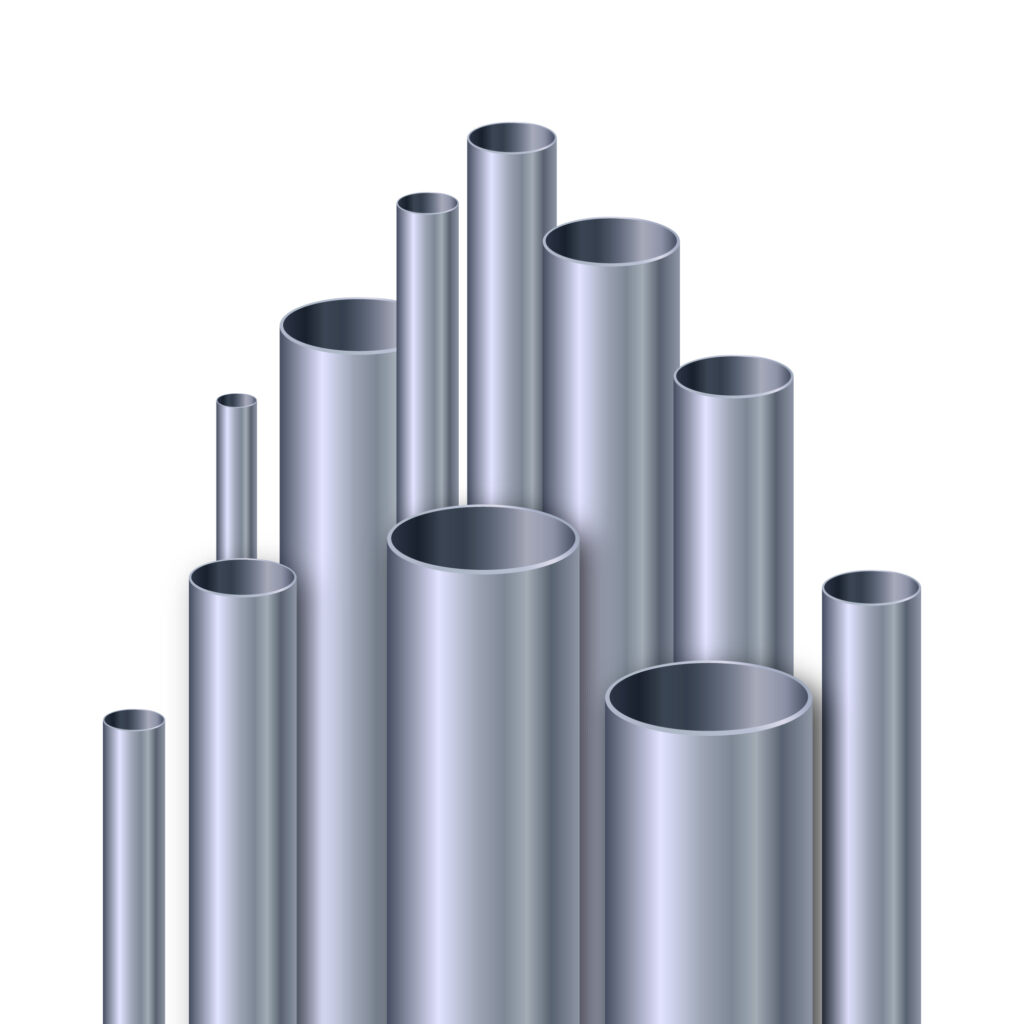
Custom extruded profiles have become indispensable components in various industries, from construction to automotive manufacturing. These specialized profiles serve as the building blocks for countless applications, each requiring precise specifications and unique designs. In this article, we will hunt through the pivotal role of manufacturers in producing custom extruded profiles, emphasizing their contribution to innovation, quality, and the overall efficiency of production processes. Tailoring to Specific Needs: Manufacturers play a crucial role in meeting the diverse and often intricate requirements of their customers. Custom extruded profiles are manufactured to precise specifications, taking into account factors such as size, shape, material, and performance characteristics. Whether it’s a complex architectural design or a critical component for a high-tech application, manufacturers have the expertise to deliver profiles that precisely match the customer’s needs. Material Expertise: Selecting the right material for a aluminium extruded profile is paramount to its success. Manufacturers bring extensive knowledge of various materials, including plastics, metals, and rubber, ensuring that the chosen material aligns with the intended use of the profile. This expertise helps in achieving the desired balance of properties, such as strength, flexibility, thermal conductivity, and chemical resistance, among others. Precision in Design and Production: One of the most critical aspects of custom extruded profiles is precision in both design and production. Manufacturers employ cutting-edge technology, including CAD/CAM software and advanced extrusion machinery, to create profiles with exacting tolerances. This precision guarantees consistency and uniformity in the final product, reducing the likelihood of defects and ensuring that the profiles perform as intended. Quality Control and Testing: Manufacturers are committed to delivering high-quality custom extruded profiles. They implement stringent quality control measures throughout the production process. This includes regular inspections, testing, and validation to meet industry standards and customer expectations. Quality assurance procedures help identify and rectify any potential issues, assuring customers of reliable and durable profiles. Cost-Effective Solutions: While customization often implies higher costs, manufacturers strive to offer cost-effective solutions. They optimize production processes to minimize waste and maximize material utilization. This efficiency results in competitive pricing for custom extruded profiles without compromising quality or performance, making them an attractive choice for a wide range of applications. Innovation and R&D: Manufacturers continually invest in research and development to stay at the forefront of extrusion technology. This commitment to innovation enables them to offer novel solutions and materials, fostering advancements in industries that rely on custom extruded profiles. It allows manufacturers to adapt to evolving market trends and emerging technologies. Environmental Responsibility: In today’s environmentally conscious world, manufacturers also take responsibility for sustainability. Many are adopting eco-friendly materials and practices, minimizing energy consumption, and reducing waste generation in the production of custom extruded profiles. This eco-conscious approach aligns with global efforts to reduce the environmental footprint of industrial processes. Conclusion: The role of manufacturers in producing custom extruded profiles cannot be overstated. Their expertise in tailoring profiles to specific needs, selecting suitable materials, ensuring precision in design and production, and maintaining quality control is vital for industries worldwide. Manufacturers drive innovation, offer cost-effective solutions, and embrace environmental responsibility, making them essential partners in the development of customized extruded profiles that shape our modern world. Are you ready to Uplift your projects with precision-engineered custom extruded profiles? Choose Gloria Aluminium as your trusted partner for tailored solutions that drive innovation, ensure quality, and prioritize sustainability. Contact us today to discover how our expertise can shape your success. Together, let’s build a brighter, more efficient future with custom aluminium extruded profiles from Gloria Aluminium.
What are Aluminium Extrusions Used For? Are They a Good Choice for Your Product?
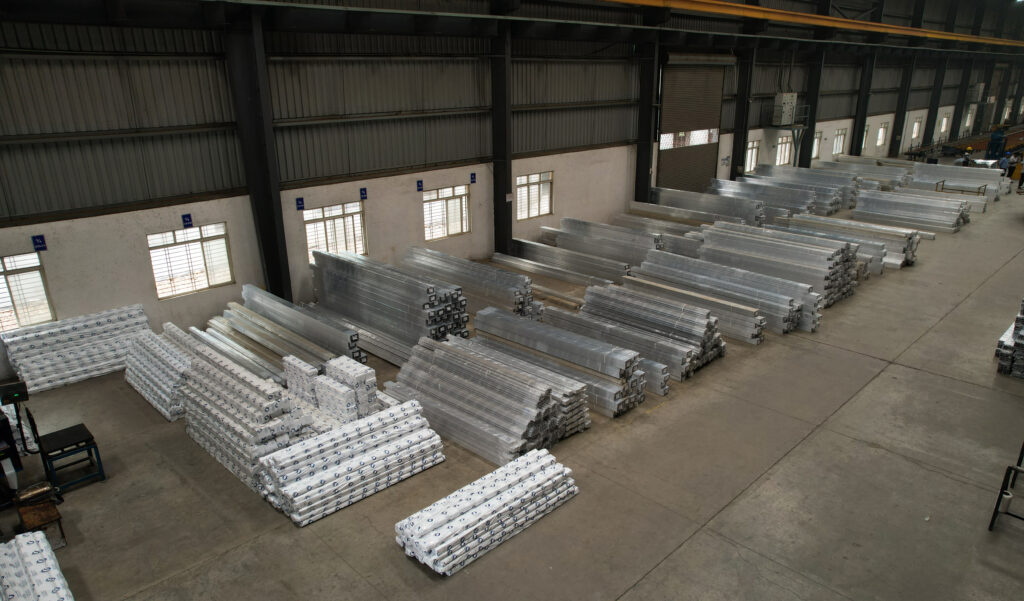
Aluminium extrusions play a crucial role in various industries, thanks to their versatility, lightweight nature, and exceptional strength-to-weight ratio. These extruded aluminium profiles find application in numerous sectors, serving as the building blocks for an array of products and structures. Common uses of Aluminium Extrusions and assess if they are a good choice for your product 1.Construction Industry: Aluminium plays a vital role in the construction industry. They are widely used for framing systems in doors, windows, and curtain walls. Their lightweight nature makes them easy to handle during installation, reducing labor costs, and enabling more straightforward assembly on-site. Additionally, aluminium’s resistance to corrosion makes it an ideal choice for outdoor applications, ensuring durability and longevity. 2. Automotive Sector: In the automotive industry, aluminium has gained popularity due to their excellent strength-to-weight ratio. They are extensively used in the production of car frames, chassis components, and engine parts. The use of aluminium helps to improve fuel efficiency and reduce overall vehicle weight, contributing to enhanced performance and reduced emissions. 3. Aerospace and Aviation: Aluminium extrusion profiles find significant use in the aerospace and aviation sectors due to their lightweight and structural integrity. Aircraft components, such as fuselage frames, wing structures, and landing gear parts, often incorporate aluminium extrusions to ensure a balance between strength and weight, crucial for flight efficiency. 4. Electronics and Electrical Industry: The electronics and electrical industry utilize aluminium extrusions in the production of heat sinks, enclosures, and housing for various electronic devices. The high thermal conductivity of aluminium helps dissipate heat efficiently, making it an ideal choice for heat management in electronic applications. 5. Furniture Manufacturing: Aluminium extrusions profiles are favored in the furniture industry for their sleek appearance, lightweight, and corrosion-resistant properties. They are commonly used in the construction of office furniture, outdoor seating, and modular storage systems, offering both functional and aesthetic benefits. 6. Renewable Energy Sector: In the renewable energy sector, aluminium extrusions are used in the construction of solar panel frames, wind turbine components, and other renewable energy systems. The lightweight and recyclable nature of aluminium aligns well with the sustainability goals of the industry. 7. Transportation and Marine Applications: Aluminium extrusions are utilized in various transportation means, including railings, ladders, and trailers. They are also widely used in marine applications, such as boat building, thanks to their resistance to corrosion in saltwater environments. Is Aluminium Extrusion a Good Choice for Your Product? The suitability of aluminium extrusions for your product depends on various factors, including design requirements, load-bearing capacity, aesthetics, and budget considerations. If your project demands lightweight yet sturdy components with excellent corrosion resistance, these are an excellent choice. Moreover, the ability to create complex shapes and profiles through extrusion offers design flexibility, enabling custom solutions for diverse applications. It also offers cost-effective manufacturing options, especially when compared to traditional methods like casting or forging. The ease of assembly, recyclability, and wide availability further enhance the appeal of aluminium extrusions for numerous industries. However, for applications that demand extreme strength, it may not be the best fit. In such cases, other materials like steel may be more appropriate. In conclusion, aluminium extrusions have proven to be a valuable solution across a wide range of industries, offering exceptional benefits in terms of weight, strength, corrosion resistance, and design versatility. Assessing your project requirements and consulting with experts will help determine whether aluminium extrusions are the ideal choice for your specific product. Discover the Brilliance of Gloria Aluminium: Your Premium Choice for Extrusions! Step into the world of superior aluminium solutions with Gloria Aluminium. Explore our wide range of high-quality extrusions for diverse industries, from construction to automotive and beyond. Experience the power of lightweight, corrosion-resistant, and versatile aluminium extrusion profiles that elevate your projects to new heights. Visit our website now to learn more, our team expert will assist you. Let Gloria Aluminium be your partner in innovation and excellence.
10 Effective Ways of Joining Aluminium Extrusions: A Guide for Product Designers
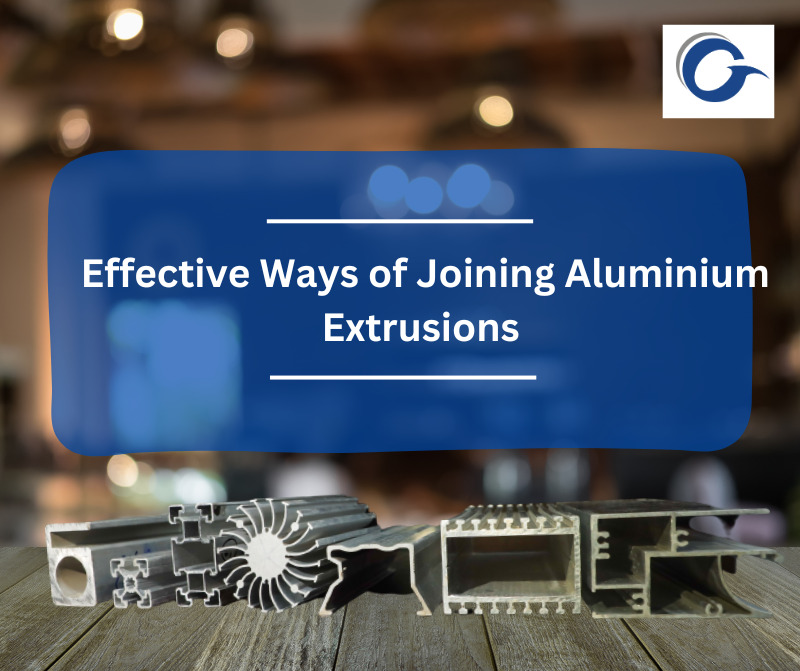
Aluminium extrusions profiles are widely used in various industries due to their versatility, lightweight, and excellent strength-to-weight ratio. For product designers, knowing how to effectively join aluminium extrusions is crucial to create robust and reliable structures. Ten effective methods to join Aluminium Extrusions: Mechanical Fasteners: One of the most straightforward ways to join aluminium extrusion profiles is by using mechanical fasteners, such as nuts and bolts, screws, or rivets. This method provides easy disassembly and flexibility in design changes, making it ideal for prototypes and smaller projects. Adhesive Bonding: Adhesive bonding offers an attractive option for designers seeking a seamless and aesthetically pleasing assembly. High-performance adhesives create a strong bond between it while eliminating the need for visible fasteners. Welding: Welding is a widely used technique for joining aluminium extrusions in heavy-duty applications. Different welding methods, such as MIG, TIG, or friction stir welding, provide varying degrees of strength and finish, catering to specific project requirements. Corner Brackets and Gussets: Using corner brackets and gussets is a practical approach to reinforce joints in aluminium extrusion profile. These components distribute loads effectively, enhancing the structural integrity of the assembly. Slot and Tab Joints: Slot and tab joints are a clever way to join it without the need for additional fasteners. The mating slots and tabs provide alignment during assembly, creating a secure connection. Snap-Fit Joints: Snap-fit joints are particularly useful for assembling lightweight and low-stress applications. By designing interlocking features on extrusions, product designers can achieve quick and efficient assembly without any additional components. Interlocking Tongue and Groove: Interlocking tongue and groove connections offer a reliable means of joining aluminium extrusions, suitable for applications that require lateral stability and alignment precision. Threaded Inserts: Threaded inserts provide a robust solution for creating threaded connections in aluminium extrusions. By incorporating these inserts during the extrusion process or afterward, designers can facilitate easy attachment of components. Heat Staking: Heat staking involves melting specific regions of the aluminium extrusions to create a secure joint with mating components. This method is particularly useful for assembling lightweight materials and reducing overall production costs. Hybrid Joining Techniques: For demanding applications, combining different joining techniques can provide optimal results. Hybrid approaches, such as adhesive bonding with mechanical fasteners or welding with corner brackets, offer tailored solutions for unique design challenges. Conclusion: As a product designer, mastering the art of joining it is essential for creating robust and efficient structures. Each of the ten methods presented in this guide offers its advantages, allowing designers to choose the most suitable technique for their specific project requirements. By understanding these methods, product designers can unlock the full potential of aluminium extrusions and craft innovative solutions for a wide range of applications. Discover the Strength of Excellence with Gloria Aluminium. Explore our premium range of high-quality aluminium products and solutions. Elevate your projects with durability and style. Get in touch with us today to unlock the potential of aluminium extrusion profiles for your next endeavor!
Advancements in Aluminium Casting Techniques for Industrial Components
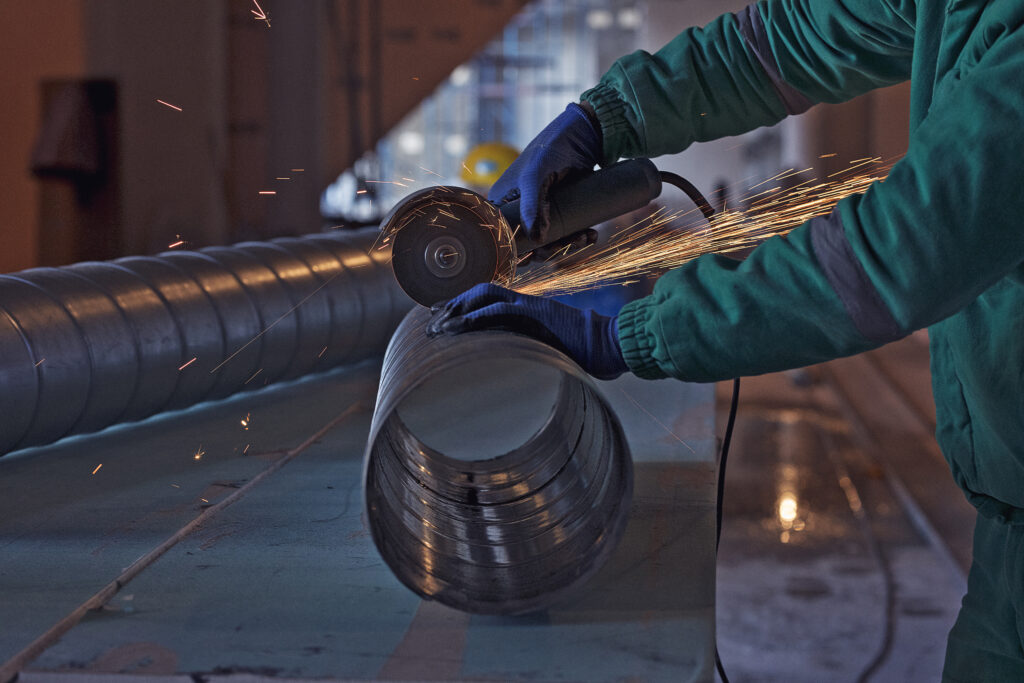
Aluminium extrusion is a crucial manufacturing process used to produce a wide range of industrial components. With the growing demand for lightweight, durable, and cost-effective materials, advancements in aluminium extrusion profile techniques have played a vital role in transforming various industries. Let’s explore some of the latest developments in aluminium extrusion technology, their benefits, and their impact on the production of industrial components. High-Pressure Die Casting (HPDC) High-Pressure Die Casting is one of the most widely used aluminium extrusion techniques in the industry. Recent advancements have focused on enhancing the precision and efficiency of this process. Through computer simulations and modeling, engineers can now design intricate molds with reduced defects and improved component quality. Additionally, automated systems and robotics have been integrated into the HPDC process, leading to higher productivity and cost savings. Semi-Solid Metal (SSM) Casting Semi-Solid Metal Casting is an innovative technique that combines the benefits of both casting and forging. By maintaining the metal in a semi-solid state, it allows for higher material flow and lower viscosity during extrusion. This results in components with improved mechanical properties, reduced porosity, and enhanced dimensional accuracy. The SSM casting technique has found significant applications in the automotive and aerospace industries. Vacuum Casting Vacuum Casting is a breakthrough technology that addresses the challenges of porosity and gas entrapment in aluminium extrusions company. By removing air and other gases from the mould cavity, vacuum-assisted extrusion ensures defect-free components with higher strength and integrity. This technique has gained popularity in critical applications such as aerospace components and medical devices. 3D Printing for Sand Moulds The integration of 3D printing in sand mould preparation has revolutionized aluminium extrusion. With 3D printing, engineers can create complex molds with intricate geometries, reducing lead times and production costs significantly. The ability to rapidly prototype and test different designs has accelerated the development of new industrial components and improved the overall extrusion process. Grain Refinement Techniques Grain refinement is a critical aspect of aluminium extrusion, affecting the mechanical properties of the final components. Recent advancements in grain refinement techniques, such as the addition of grain refiners and ultrasonic treatment, have led to extrusions with finer grain structures. This results in improved mechanical strength, better fatigue resistance, and enhanced overall performance of industrial components. Recycling and Sustainability Advancements in aluminium extrusion not only focus on manufacturing techniques but also on sustainability. The industry has made significant progress in recycling aluminium scrap, reducing energy consumption, and greenhouse gas emissions. Sustainable extrusion practices are gaining popularity, and companies are increasingly adopting eco-friendly approaches in their manufacturing processes. The continuous advancements in aluminium extrusion techniques have opened new horizons for the production of industrial components. From High-Pressure Die Casting to Semi-Solid Metal Casting, Vacuum Casting, 3D printing for sand molds, and grain refinement techniques, each development has contributed to higher quality, reduced costs, and increased efficiency. Moreover, the growing focus on sustainability has made aluminium extrusion an environmentally responsible choice for various industries. As technology continues to evolve, we can expect further improvements in aluminium extrusion, driving innovation and reshaping industrial manufacturing in the years to come. Are you prepared to elevate your industrial manufacturing to new heights? Discover the cutting-edge world of aluminium extrusion with Gloria Aluminium! Explore the latest developments in extrusion technology.
Is Powder Coating Suitable for Aluminium? Exploring the Ideal Finish for Your Product in the Aluminium Manufacturing Industry
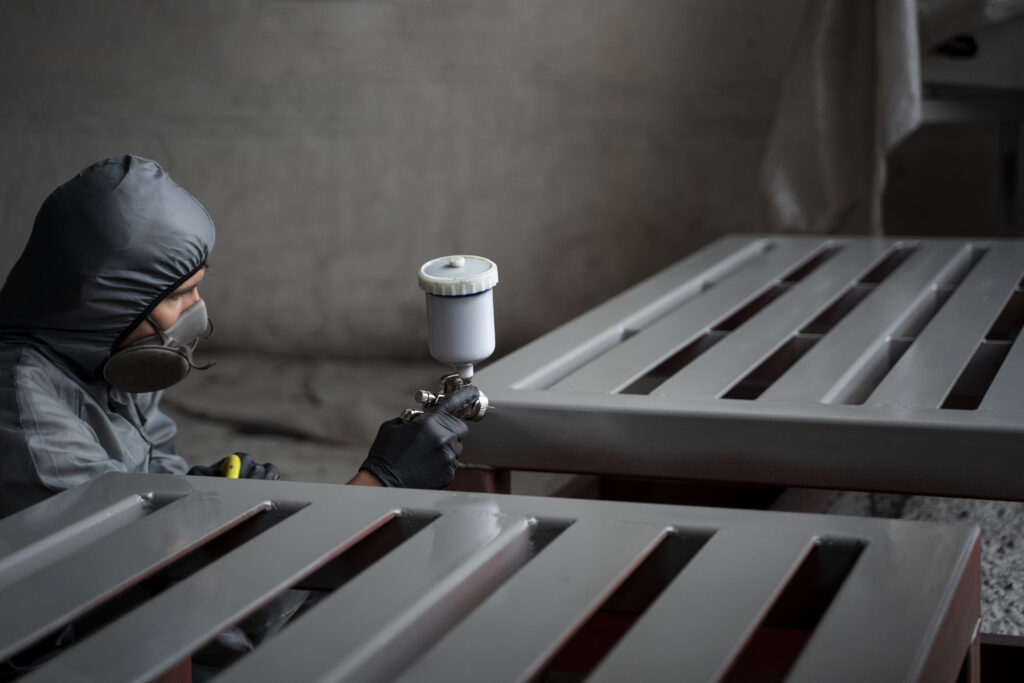
In the world of manufacturing, aluminium is a versatile and widely used material due to its lightweight, corrosion-resistant, and durable nature. To enhance its aesthetic appeal and protect it from environmental factors, aluminium extrusion manufacturers often apply various finishes. One popular method is powder coating, a technique that provides a range of advantages. Let’s discuss the suitability of powder coating for aluminium and delve into why it is considered an ideal finish for products in the aluminium manufacturing company. What is the process of powder coating and how does it work? Powder coating is a dry finishing process that involves the application of a free-flowing powder to a surface. The powder consists of finely ground particles of pigment and resin that adhere electrostatically to the aluminium substrate. After application, the coated product is cured in an oven, where the powder melts and forms a hard, protective film on the surface. Benefits of Powder Coating for Aluminium: Enhanced Durability: Powder coating creates a robust and durable finish that is resistant to chips, scratches, and fading. This protective layer helps aluminium products withstand harsh environments, including exposure to UV rays, chemicals, and moisture. Aesthetic Versatility: Powder coatings are available in a wide range of colors, finishes, and textures, allowing manufacturers to achieve various aesthetic effects. Whether a smooth, glossy finish or a textured appearance is desired, powder coating provides versatility to suit different product designs and consumer preferences. Environmentally Friendly: Compared to conventional liquid coatings, powder coating is an environmentally friendly option. The process does not involve the use of solvents, which reduces volatile organic compounds (VOCs) emissions. Additionally, excess powder can be collected and reused, minimizing waste and promoting sustainability. Cost-Effectiveness: Powder coating offers cost advantages over other finishing methods. The efficiency of powder application allows for minimal material wastage, making it a more economical choice in the long run. Furthermore, the durability of powder-coated aluminium reduces the need for frequent maintenance, saving both time and resources. Considerations for Powder Coating aluminium: While powder coating is generally suitable for aluminium, there are a few considerations to keep in mind: Surface Preparation: Proper cleaning and preparation of the aluminium surface are crucial to achieve optimal adhesion and durability. Surface contaminants, such as oils, dirt, and oxides, should be removed through thorough cleaning and pre-treatment methods like chemical etching or sandblasting. Material Thickness: Aluminium with a thin profile may experience thermal distortion during the curing process due to the high temperatures involved. It is important to consider the thickness of the aluminium material to prevent any potential warping or deformation. Heat Sensitivity: Some aluminium alloys have lower melting points, making them more susceptible to heat damage during the curing process. It is essential to choose a powder coating formulation that matches the heat resistance of the aluminium substrate. Powder coating is a highly suitable finishing option for aluminium products in the manufacturing industry. Its durability, aesthetic versatility, environmental friendliness, and cost-effectiveness make it a preferred choice for enhancing the appearance and performance of aluminium products. By considering proper surface preparation, material thickness, and heat sensitivity, manufacturers can ensure successful powder coating applications, resulting in durable and visually appealing aluminium products that meet the industry’s high standards. Discover the benefits of powder coating for your aluminium products with Gloria Aluminium! Contact us today to enhance the durability, aesthetics, and sustainability of your aluminium manufacturing projects.
Aluminium Extrusion Profiles for Heat Sinks: Exploring the Pros and Cons by Manufacturers
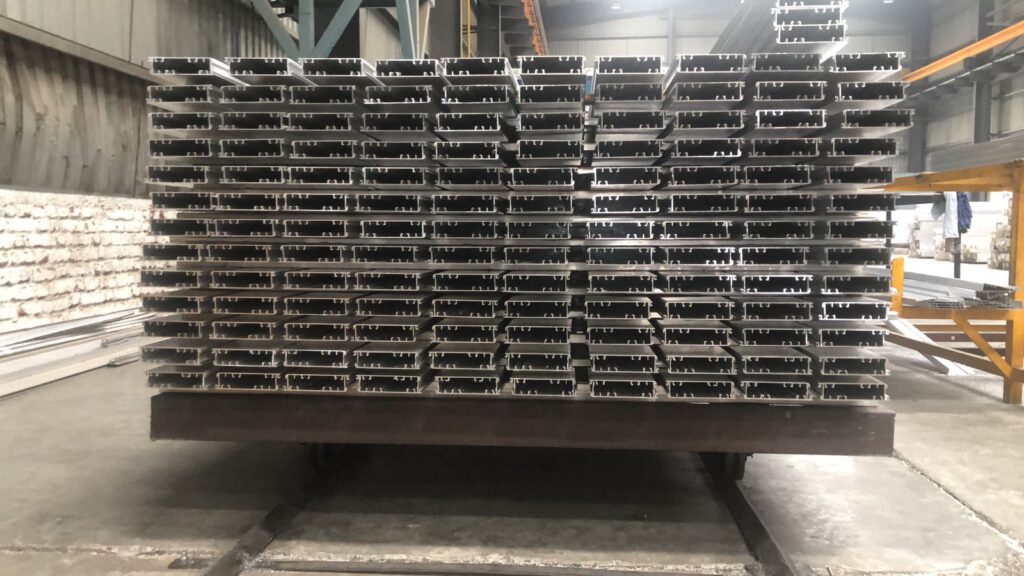
In the world of electronic devices, managing heat is crucial for maintaining optimal performance and preventing damage. Heat sinks play a vital role in dissipating heat generated by components like computer processors, power transistors, or LED lights. They absorb and transfer heat away from these devices, allowing them to operate within safe temperature ranges. Understanding the pros and cons of heat sinks helps aluminium extrusion profiles manufacturers make informed decisions when selecting and implementing cooling solutions for electronic devices. What is Heat Sink? A heat sink is a crucial component used to manage and dissipate heat generated by electronic devices, such as computer processors, power transistors, or LED lights made from aluminium extrusion profiles. As electronic devices operate, they produce heat, which, if not effectively managed, can lead to decreased performance, overheating, and even permanent damage. The primary function of a heat sink is to absorb and transfer heat away from the electronic component, allowing it to maintain a safe operating temperature. Heat sinks are typically made from materials with high thermal conductivity, such as aluminum or copper, which efficiently conduct heat away from the source. Pros and Cons of Heat Sink Pros: Effective heat dissipation: Heat sinks are designed to efficiently absorb and transfer heat away from electronic components, preventing overheating and ensuring reliable operation. Cost-effective solution: Heat sinks are relatively inexpensive compared to other cooling methods, making them a cost-effective choice for managing heat in electronic devices. Wide range of applications: Heat sinks are versatile and can be used in various electronic devices, ranging from computers and smartphones to industrial machinery and automotive systems. Increased component lifespan: By maintaining optimal operating temperatures, heat sinks contribute to the longevity of electronic components, reducing the risk of performance degradation or premature failure. Simple and reliable: Heat sinks are simple in design and operation, requiring no moving parts or complex maintenance, making them a reliable cooling solution. Cons: Limited cooling capacity: Heat sinks have a finite capacity for heat dissipation. In cases of extremely high power or heat generation, additional cooling methods may be required in conjunction with heat sinks. Space requirements: Heat sinks occupy physical space within electronic devices, potentially posing challenges in compact or tightly packed systems. Thermal resistance: Despite their efficiency, heat sinks still have a certain level of thermal resistance, which can impact their overall cooling performance. Design constraints: The design and placement of heat sinks may need to be carefully considered to ensure optimal airflow and effective heat transfer, potentially limiting design flexibility. Corrosion risk: Depending on the materials used, heat sinks can be susceptible to corrosion, especially in harsh environments or when exposed to certain chemicals. It’s important to note that the pros and cons can vary depending on specific heat sink designs, materials, and application requirements. Manufacturers must carefully assess these factors when selecting and implementing heat sink solutions for their devices. Which Aluminium alloy is best for a heat sink? Aluminium Alloy 6063 is commonly regarded as one of the best choices for heat sinks due to its excellent thermal conductivity, corrosion resistance, and lightweight properties. Alternatively, Aluminium Alloy 6061 offers similar advantages with the added benefit of higher strength. The selection of the optimal aluminium alloy depends on specific application requirements, thermal needs, cost considerations, and manufacturing capabilities. In conclusion, heat sinks are crucial for managing heat in electronic devices, preventing performance issues and damage. Their design and structure greatly impact cooling efficiency, considering factors like surface area, fin design, material conductivity, and additional cooling mechanisms. Are you a manufacturer or designer seeking the best heat sink solutions for your electronic devices? Look no further! Gloria Aluminium offers top-quality products that are ideal for effectively managing heat and ensuring optimal performance. The primary function of a heat sink is to absorb and transfer heat away from the electronic component, allowing it to maintain a safe operating temperature. Heat sinks are typically made from materials with high thermal conductivity, such as aluminum or copper, which efficiently conduct heat away from the source.” } },{ “@type”: “Question”, “name”: “Which Aluminium alloy is best for a heat sink?”, “acceptedAnswer”: { “@type”: “Answer”, “text”: “Aluminium Alloy 6063 is commonly regarded as one of the best choices for heat sinks due to its excellent thermal conductivity, corrosion resistance, and lightweight properties. Alternatively, Aluminium Alloy 6061 offers similar advantages with the added benefit of higher strength. The selection of the optimal aluminium alloy depends on specific application requirements, thermal needs, cost considerations, and manufacturing capabilities. In conclusion, heat sinks are crucial for managing heat in electronic devices, preventing performance issues and damage. Their design and structure greatly impact cooling efficiency, considering factors like surface area, fin design, material conductivity, and additional cooling mechanisms. Are you a manufacturer or designer seeking the best heat sink solutions for your electronic devices? Look no further! Gloria Aluminium offers top-quality products that are ideal for effectively managing heat and ensuring optimal performance.” } }] }
Architectural Sections Unleashed: Unlocking the Potential of Aluminium Product Companies
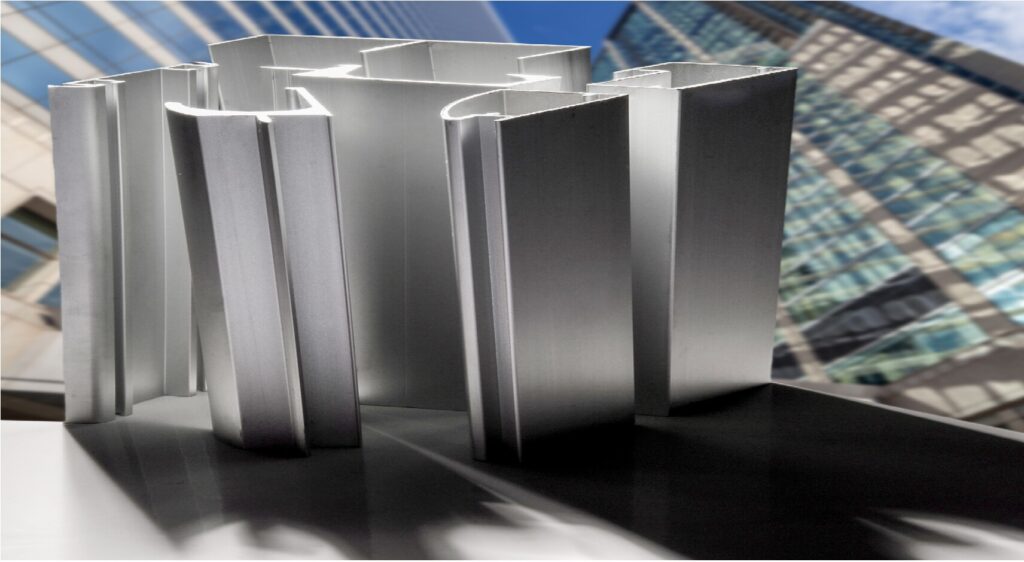
In the world of architecture and construction, aluminium products have emerged as versatile and high-performance materials, offering a myriad of possibilities for innovative design and construction solutions. Among these, architectural sections made from aluminium have gained immense popularity, revolutionizing the industry and unlocking new potentials for Aluminium Product Companies. These architectural sections encompass a wide range of profiles, such as extrusions, panels, and systems, that are specifically designed to meet the unique requirements of building structures. Unleashing the Potential: Design Freedom and Versatility: Aluminium architectural sections provide architects and designers with unparalleled design freedom, allowing them to create unique and striking building facades, windows, doors, curtain walls, and other structural elements. The versatility of aluminium enables the realization of complex geometries, sleek lines, and large-scale glazing, facilitating the creation of visually stunning and iconic architectural masterpieces. Lightweight and High Strength: Aluminium is renowned for its exceptional strength-to-weight ratio, making it an ideal choice for architectural applications. The lightweight nature of aluminium sections eases the construction process, reduces structural loads, and enables efficient installation. Despite its lightweight properties, aluminium exhibits excellent strength and durability, ensuring long-lasting and resilient building components. Enhanced Performance and Sustainability: Aluminium architectural sections offer superior performance characteristics, including high thermal efficiency, sound insulation, and weather resistance. These sections can be designed to incorporate advanced thermal break technologies, optimizing energy efficiency and reducing heating and cooling costs. Additionally, aluminium is a highly sustainable material, as it is infinitely recyclable, requires low energy consumption for production, and offers a long lifespan, contributing to environmentally conscious construction practices. Integration of Smart Technologies: Aluminium architectural sections are well-suited for the integration of smart technologies in modern building designs. These sections can accommodate various systems, such as automation, security, and energy management, seamlessly blending technology with aesthetics. The compatibility of aluminium with cutting-edge innovations enables the creation of intelligent, sustainable, and future-ready buildings. Manufacturing Capabilities and Customization: Aluminium Product Companies possess advanced manufacturing capabilities that allow for the precise fabrication of architectural sections to meet specific project requirements. These companies employ state-of-the-art extrusion, machining, and finishing techniques to produce custom profiles, tailored to the architect’s vision and the building’s functional needs. Such customization capabilities enable the realization of unique designs while ensuring optimal performance and quality. Conclusion: The utilization of aluminium architectural sections has transformed the architectural landscape, providing limitless opportunities for creativity, functionality, and sustainability. Embrace design freedom, lightweight strength, enhanced performance, integration of smart technologies, and unparalleled customization capabilities. Join us in reshaping the future of architecture and construction. Discover the limitless possibilities with Gloria Aluminium today!
Aluminium Extrusion Profiles for Solar Panels: Exploring Feasibility and Advantages with Leading Aluminium Extrusion Company
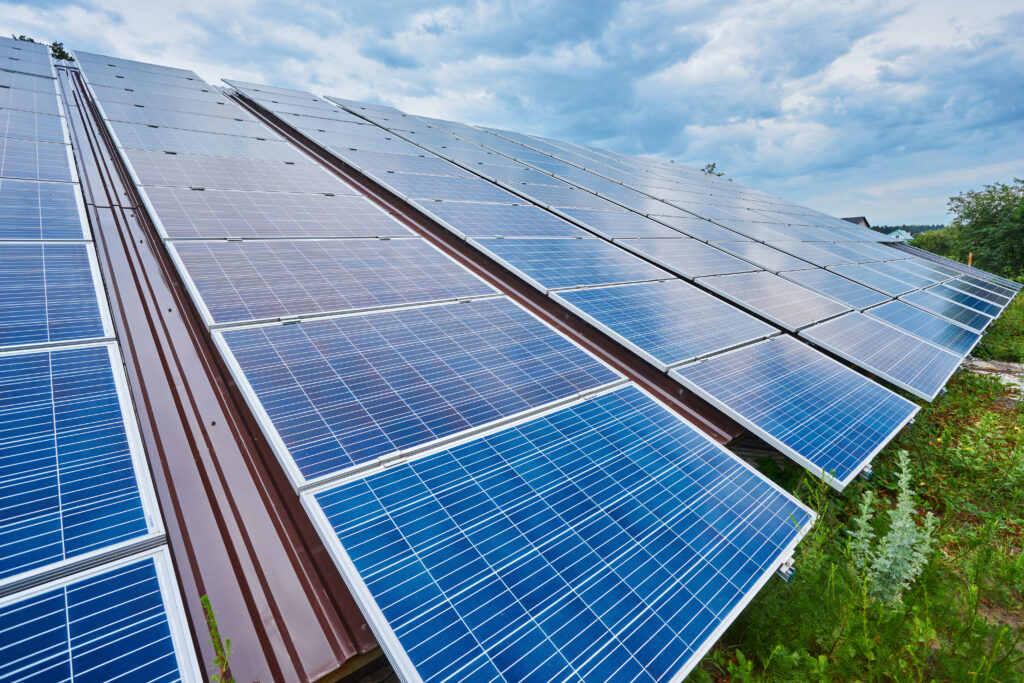
As the demand for renewable energy continues to rise, solar power has emerged as a prominent solution to meet the world’s energy needs sustainably. Solar panels play a crucial role in harnessing solar energy, and their efficiency and durability are of utmost importance. One key factor that influences the performance and longevity of solar panels is the quality of the materials used in their construction. In recent years, aluminium extrusion profiles have gained significant attention as a favorable choice for solar panel manufacturing due to their exceptional properties. This article delves into the feasibility and advantages of using aluminium extrusion profiles for solar panels, highlighting leading aluminium extrusion companies in the industry. Benefits of Aluminium Extrusion Profiles for Solar Panels: Lightweight and High Strength: Aluminium is renowned for its lightweight nature and excellent strength-to-weight ratio. Using aluminium extrusion profiles reduces the overall weight of solar panels, making them easier to install and transport while maintaining structural integrity. Corrosion Resistance: Aluminium is highly resistant to corrosion, ensuring that solar panels withstand harsh weather conditions and maintain their performance over time. This resistance reduces maintenance costs and increases the lifespan of solar panels. Design Flexibility: Aluminium extrusion profiles offer remarkable design flexibility, enabling the creation of customized shapes and sizes to fit various solar panel configurations. This adaptability allows for optimal use of available space, ensuring maximum energy absorption. Thermal Conductivity: Aluminium possesses excellent thermal conductivity, allowing for effective heat dissipation from solar panels. This property prevents overheating, leading to improved efficiency and enhanced durability. Recyclability: Aluminium is a highly sustainable material with a significant recycling rate. Using aluminium extrusion profiles aligns with the principles of environmental conservation and circular economy, making solar panels more eco-friendly. Solar Panels and the Importance of Aluminium Alloy: Solar panels have become increasingly popular as a means of harnessing solar energy and generating electricity. However, the high cost of solar panels can pose a challenge for consumers. To address this issue, the use of aluminium alloy, particularly aluminium extrusion profiles, has emerged as a cost-effective solution for solar panel structures. Solar panels serve as devices that absorb sunlight and convert it into electricity. They find applications in various areas, from powering lights and water pumps to charging batteries for automobiles and cell phones. Additionally, solar panels, when combined with batteries, are used to provide power in remote locations not connected to the power grid. In recent years, with the growing recognition of the significance of solar energy and its industry, more individuals are opting to install solar panels on their homes. This has led to an increased demand for affordable solar panel solutions, and aluminum alloy has emerged as a crucial material in this context. Aluminium Extrusion Profiles for Solar Panels: Aluminium, known for its lightweight, strength, and heat-resistant properties, plays a vital role in the manufacturing of solar panels. It is a common component of various alloys and is often utilized to improve the properties of other metals. Aluminium extrusion profiles, such as blocks, c sections, and framing structures, are widely employed in the solar industry for cost-effective solar panel production. Aluminium extrusion profiles are created through the extrusion process, where a continuous sheet of aluminum is cut into specific lengths and then shaped into the desired profile to meet design specifications. Aluminium extrusion profiles have emerged as a feasible and advantageous option for solar panel manufacturing. The lightweight, corrosion-resistant, and thermally conductive properties of aluminium make it an ideal material for solar panels. With leading aluminium extrusion companies specializing in solar applications, manufacturers can benefit from customized profiles, innovative technologies, and sustainable solutions. By leveraging the advantages of aluminium extrusion profiles, the solar energy industry can continue to advance, meeting the global demand for clean and renewable energy. In the solar industry, several prominent aluminium extrusion companies specialize in manufacturing high-quality profiles for solar panel applications. These companies are committed to providing reliable and affordable solutions for solar panel mounting structures. One such company, i.e Gloria Aluminium Pvt. Ltd located in India, stands out as a leading manufacturer of aluminium extrusion profiles for the solar industry. We have state-of-the-art production lines and a strong emphasis on quality, ensuring our customers receive the best extrusion profiles for solar panel applications at competitive prices. Ready to harness the power of aluminium extrusion profiles for your solar panels? Partner with Gloria Aluminium Pvt. Ltd, the leading manufacturer of high-quality extrusion profiles for the solar industry Contact us today to discuss your solar panel needs and discover how our cost-effective and sustainable solutions can take your solar energy projects to new heights. Let’s power the future together with Gloria Aluminium!